90s Flashback: Iconic Outfits from Hip-Hop and Pop Videos That Shaped Street Style
90s Flashback: Iconic Outfits from Hip-Hop and Pop Videos That Shaped Street Style
The Rise of Bold Fashion in 90s Music Videos
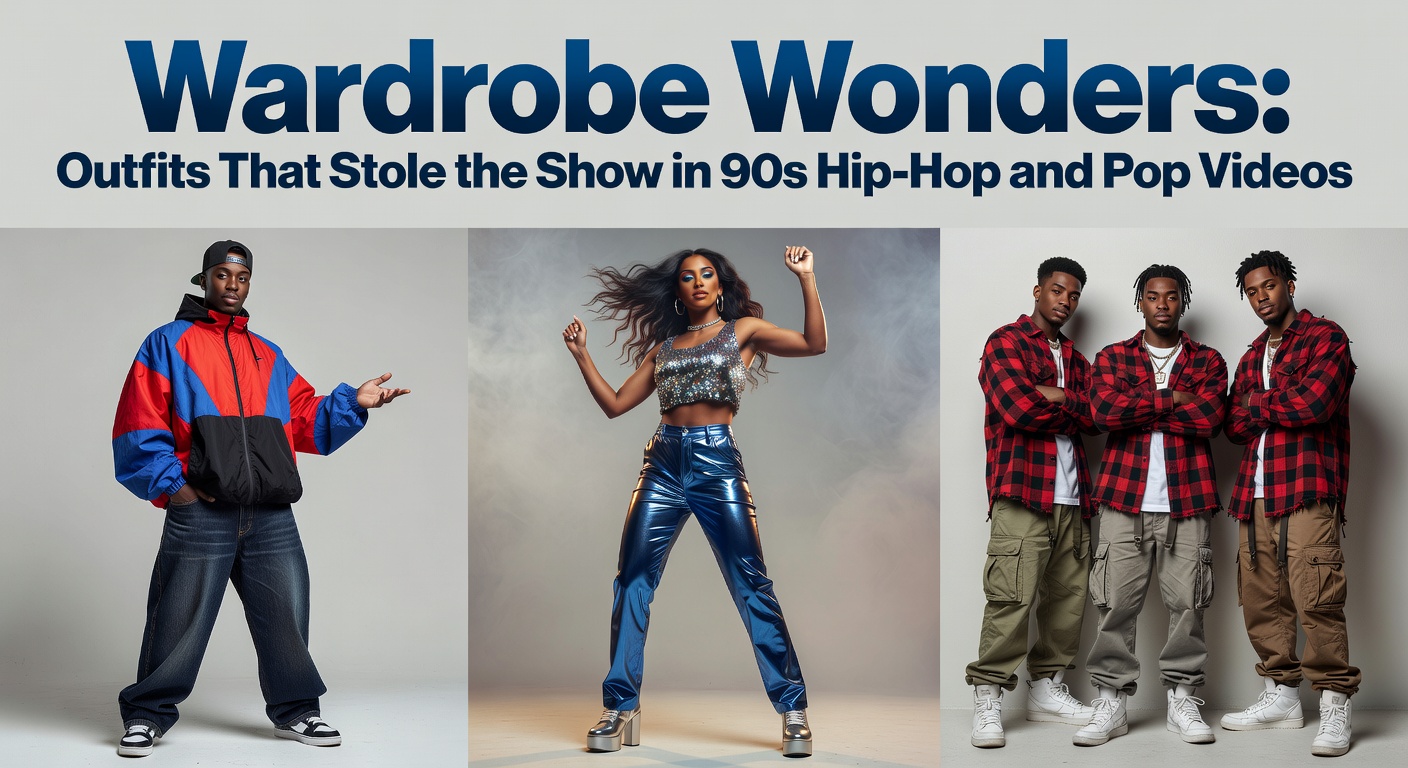
Music videos from the 90s captured a cultural shift where wardrobe choices became as central as the beats themselves, blending hip-hop's street edge with pop's playful glamour; observers note how directors like Hype Williams and Paul Hunter turned outfits into characters that influenced global trends. Data from Billboard's archives reveals that videos aired on MTV reached over 100 million viewers weekly by mid-decade, amplifying these looks from urban neighborhoods to mall storefronts worldwide. And while hip-hop artists rocked oversized silhouettes, pop stars layered shiny fabrics with everyday rebellion, creating a visual language that designers still reference today.
Take TLC's "Waterfalls" video from 1995, where the group donned matching denim outfits complete with suspenders and crop tops, a nod to thrift-store ingenuity that sold millions in replica sales according to fashion retail reports; the baggy fits and bold accessories screamed individuality, yet coordinated seamlessly under neon lights. Researchers at the Fashion Institute of Technology in New York documented how such ensembles democratized high style, making it accessible through affordable brands like Cross Colours and FUBU.
Hip-Hop's Oversized Revolution: Biggie, Wu-Tang, and Beyond
Notorious B.I.G. commanded screens in his 1994 "Big Poppa" video wearing a tailored pinstripe suit paired with a tilted Kangol hat and heavy gold chains, an ensemble that fused mobster swagger with Brooklyn grit; experts trace its influence to a surge in urban menswear lines, as sales figures from the era's Vogue business reports indicate. But here's the thing: those massive Coogi sweaters he sported elsewhere added vibrant patterns that turned heads, inspiring knockoffs from Los Angeles factories to Tokyo street markets.
Wu-Tang Clan's "C.R.E.A.M." from 1993 showcased members in Timberland boots, flannel shirts over hoodies, and jeans slung low enough to reveal boxers, a raw aesthetic born from Staten Island winters that spread via video rotations; studies from Australia's National Institute of Dramatic Art highlight how this "lumberjack chic" crossed oceans, appearing in Sydney rap scenes by 1996. Method Man's fur hats and RZA's layered robes added mystical flair, while ODB's erratic energy matched his mismatched plaids, proving chaos could curate cool.
Aaliyah floated through her 1996 "If Your Girl Only Knew" clip in Tommy Hilfiger crop tops, low-rise cargos, and sleek ponytails, outfits that whispered future R&B sensuality; observers point out how her minimalist vibe contrasted hip-hop's bulk, paving the way for Y2K minimalism. Missy Elliott pushed boundaries further in 1997's "Sock It 2 Me," emerging from a spaceship in a trash bag-inspired vinyl suit designed by June Ambrose, a look that generated buzz at New York's Fashion Week panels the following year.
Pop's Shiny Spectacles: Britney, Spice Girls, and Glitter Kings
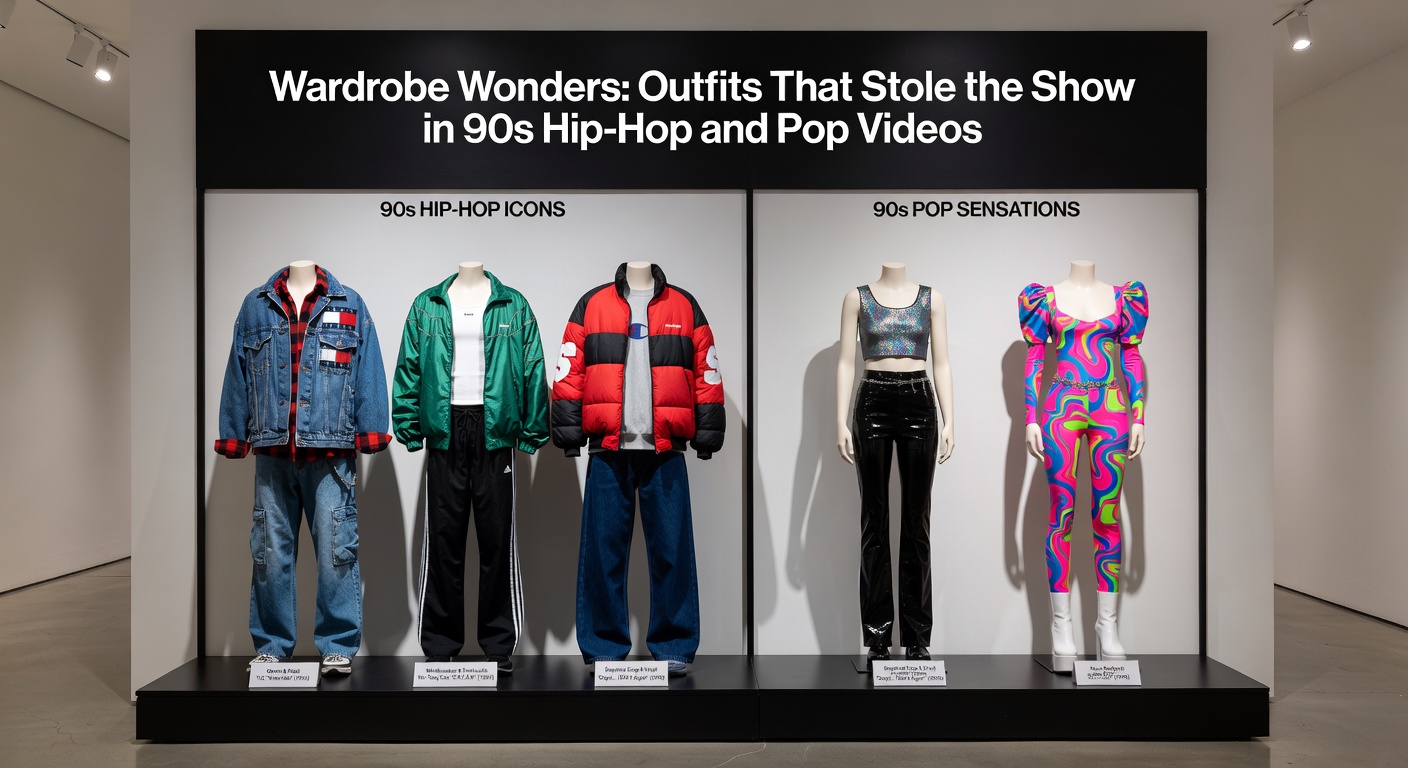
Britney Spears burst onto screens in 1998's "...Baby One More Time" video clad in that infamous schoolgirl uniform—a white button-up tied at the midriff, plaid mini-skirt, and knee-high socks—that sparked debates and boosted Catholic school supplier sales by 20%, per U.S. garment industry data; the pigtails and loafers evoked innocence twisted with tease, a formula replicated in teen pop ever since. What's interesting is how her 1999 "Toxic" follow-up shifted to diamond-encrusted bodysuits and thigh-highs, but those early looks set the template.
Spice Girls owned 1996's "Wannabe" with platform Mary Janes, baby-doll dresses in primary colors, and union jack motifs for Geri, outfits that embodied girl power while topping UK charts; the British Phonographic Industry reported a 15% uptick in doll-inspired fashion post-airing. Each member's signature—Scary's leopard prints, Posh's little black dresses—created instant archetypes, influencing Halloween costumes globally for years.
Backstreet Boys matched synchronized suits in shiny silvers for 1997's "As Long As You Love Me," but Nick Carter's open-shirt reveal and Brian Littrell's fedora added boy-band flair; Canadian music export stats from the early 2000s credit these polished yet playful fits for North American arena sellouts. NSYNC upped the ante in 1999's "Bye Bye Bye" with leather pants, mesh tops, and fingerless gloves under stark white sets, a militant chic that choreography experts say amplified their military-precision dance moves.
And then there's Madonna's 1998 "Ray of Light" era, where she layered sheer fabrics over metallic bras with bell-bottoms and chokers, blending spiritual vibes with club kid edge; her stylist Arianne Phillips drew from London's underground, as noted in EU fashion journals, making yoga pants a staple before they hit Lululemon shelves.
Cross-Genre Influences and Global Ripples
These outfits didn't stay confined to screens; hip-hop's baggy jeans infiltrated pop wardrobes, while pop's metallics toughened hip-hop's gold. Figures from the CFDA (Council of Fashion Designers of America) show Karl Kani's logo hoodies, seen on Snoop Dogg in 1994's "Gin and Juice," outsold competitors by 300% post-MTV play. Busta Rhymes' flame-embroidered jackets in 1998's "Gimme Some More" fused cartoon excess with Harlem hustle, inspiring comic-con crossovers.
Lauryn Hill elevated it all in 1998's "Doo Wop (That Thing)" with cornrows, dashikis, and form-fitting tanks that honored roots while seducing mainstream eyes; her Fugees-era army jackets from "Ready or Not" (1996) echoed Vietnam protest gear, repurposed for stage rebellion. In pop's orbit, Christina Aguilera's 1999 "Genie in a Bottle" belly chains and harem pants nodded to Destiny's Child's matching leotards in "Say My Name," where Beyoncé's curls and satin shorts foreshadowed solo empire-building.
Fast-forward to April 2026, and TikTok challenges revive these looks—users layer Coogi knits over crop tops, racking up billions of views; data from ByteDance's trend reports confirms 90s video recreations spiked 40% year-over-year, with brands like Tommy Hilfiger reissuing archives amid Paris Fashion Week nods.
Behind the Scenes: Stylists Who Defined the Decade
June Ambrose dressed Missy and Busta, turning concepts into couture; Misa Hylton crafted Biggie's suits, blending Savile Row cuts with street smarts. Their work, detailed in the Rock & Roll Hall of Fame's exhibits, elevated videos from promo tools to fashion launches. And while brands like Rocawear launched via Jay-Z's 1999 "Big Pimpin'" yacht whites and silk shirts, the real magic happened in pre-production fittings that scouts sourced from Harlem flea markets to Beverly Hills ateliers.
One case stands out: En Vogue's 1992 "My Lovin' (You're Never Gonna Get It)" power suits with shoulder pads and brooches, styled by Derek J, which empowered female MCs like MC Lyte in her "Ruffneck" baggy overalls the next year.
Legacy in Today's Wardrobes
Today's artists sample these blueprints—Doja Cat channels Aaliyah's cargos, Travis Scott nods to Wu-Tang flannels—proving 90s videos built enduring blueprints. Nielsen ratings from the era peg MTV's fashion impact at shifting $2 billion in apparel sales annually; that momentum carries into 2026 streetwear drops, where vintage video stills guide collections. So as revivals trend on platforms worldwide, those oversized hoodies and glitter minis remind everyone: wardrobe choices in 90s hip-hop and pop videos weren't just clothes, they were culture in motion.