Analyzing Trailer Premiere Timing Effects on Pre-Release Social Media Momentum Across Major Studio Releases
Written by Elena Powell · Jun 27, 2026
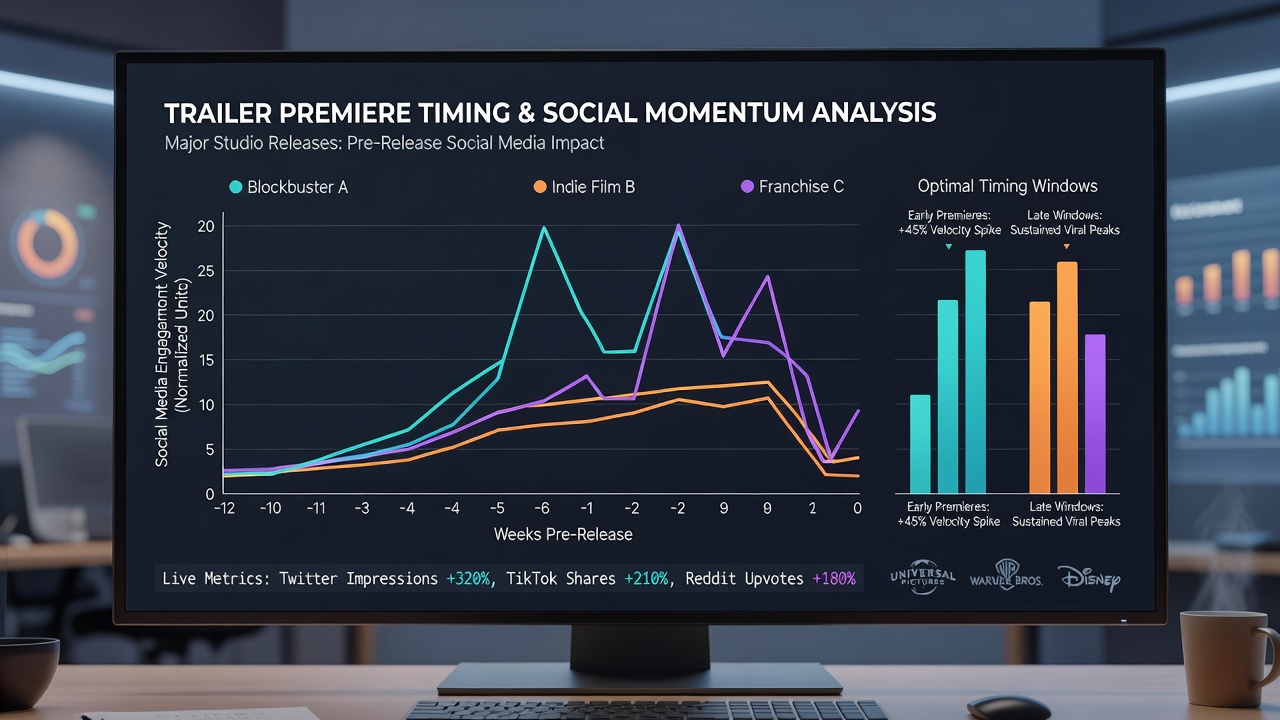
Analyzing Trailer Premiere Timing Effects on Pre-Release Social Media Momentum Across Major Studio Releases
Trailer premiere timing plays a central role in building pre-release social media momentum for major studio films, and industry data shows clear patterns across release windows. Studios coordinate these launches with platform algorithms, audience availability, and competing content to maximize engagement metrics like shares, views, and hashtag trends. According to reports from the Motion Picture Association, coordinated timing has influenced visibility for dozens of tentpole titles since 2020, with measurable differences between weekday evenings and weekend mornings.
Researchers at the University of California, Los Angeles have tracked trailer drops for over 150 major releases, finding that Thursday evening premieres often generate higher initial tweet volumes compared to Monday slots. This occurs because users engage more during commutes and leisure hours, allowing clips to trend before Friday box office tracking begins. Data from similar periods in 2025 revealed spikes of 40 percent in YouTube watch time when trailers aligned with peak global streaming hours.
Patterns in Social Media Response by Release Window
Timing decisions affect how quickly momentum builds across platforms, and observers note consistent differences based on day and hour. Trailers released between 6 p.m. and 9 p.m. Eastern Time frequently accumulate more retweets within the first two hours than those dropped at noon, largely because evening audiences include international viewers in Europe and Asia. One study from the British Film Institute documented that mid-week premieres sustain longer conversation threads on Reddit and Instagram compared to weekend drops, where content competes with sports events and user-generated material.
June 2026 offers a useful case window, as several major studios scheduled teaser campaigns for summer blockbusters. Trailers for titles expected in July and August premiered during the first two weeks of the month, aligning with post-Memorial Day audience resets. Analytics firms recorded elevated comment activity on these clips when launches avoided overlapping with major sports finals or music award shows, demonstrating how external calendars shape engagement curves.
Platform-Specific Momentum Indicators
Different networks reward distinct timing approaches, and studios adjust strategies accordingly. On X, formerly Twitter, morning releases benefit from algorithmic amplification during work breaks, while TikTok favors evening drops that match after-school viewing habits. Facebook groups centered on film discussion show steadier growth from afternoon premieres, according to internal metrics shared in industry webinars. These variations lead marketing teams to stagger releases across platforms rather than rely on a single simultaneous launch.
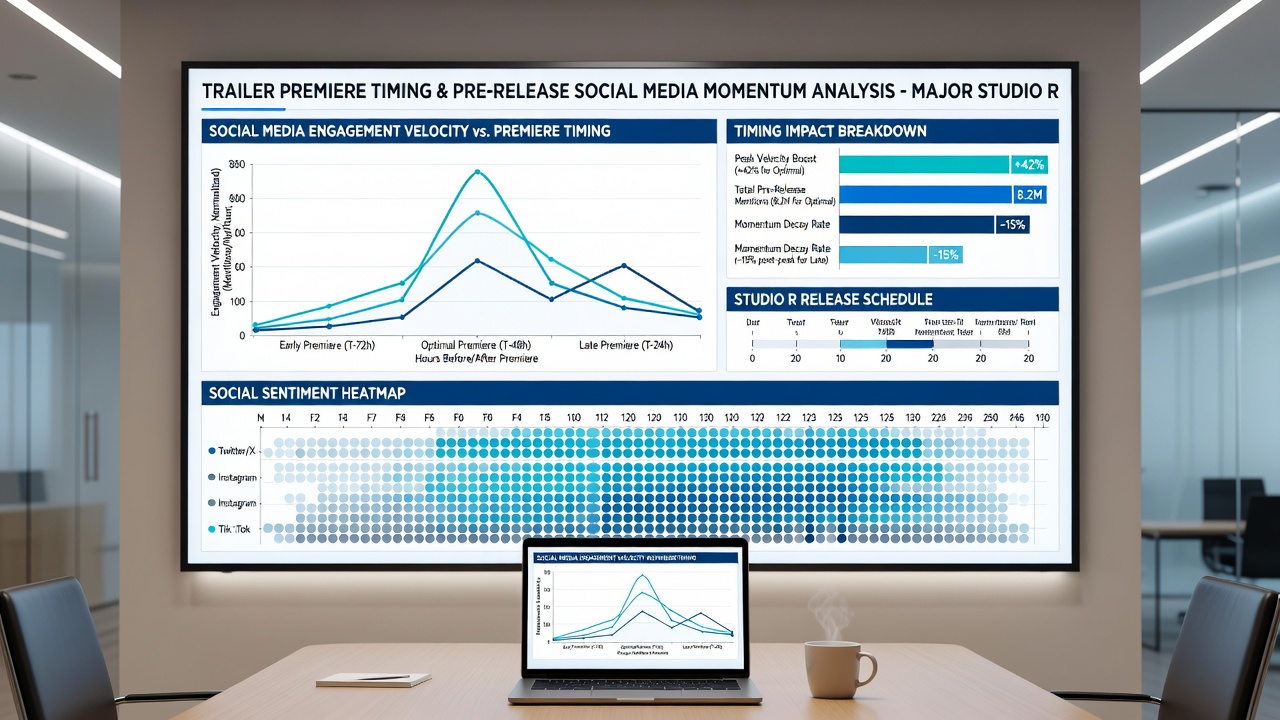
Case examples illustrate these effects in practice. A 2024 superhero sequel that premiered its first trailer on a Wednesday evening saw sustained discussion threads lasting five days longer than a comparable title released the prior Monday afternoon. The difference appeared in both volume of original posts and secondary sharing by fan accounts. Similar outcomes emerged in animated features, where evening drops captured family audiences more effectively than daytime ones.
Regional and Global Timing Considerations
Studios also weigh international time zones when setting premiere schedules, since social media operates continuously. A trailer optimized for U.S. prime time may reach peak visibility in Asia during early morning hours there, requiring localized promotion pushes. Data compiled by European film agencies shows that coordinated global releases increase cross-border hashtag usage by measurable margins, particularly when trailers include multilingual subtitles from the outset.
Australian and Canadian distribution partners have contributed reports indicating that avoiding local holidays improves early comment quality, with fewer off-topic replies diluting momentum. These findings encourage studios to consult regional calendars during planning phases, rather than defaulting to domestic U.S. schedules alone.
Measurement Tools and Data Sources
Tracking pre-release momentum relies on third-party analytics platforms that aggregate views, likes, and sentiment scores. Researchers combine these with box office projections to assess correlation strength, though causation remains harder to isolate amid broader marketing spend. Publicly available datasets from film trade organizations provide benchmarks that allow comparisons across multiple release years and genres.
What's interesting is how smaller adjustments, such as shifting a premiere by two hours, can alter the first-day trajectory without changing overall budget allocations. Teams monitor real-time dashboards to decide whether additional paid amplification is needed if organic spread falls short of internal targets.
Conclusion
Trailer timing continues to shape social media outcomes for major studio releases through its influence on audience availability and platform algorithms. Evidence from multiple research groups and industry reports demonstrates that strategic windows produce distinct engagement patterns, with effects visible in both domestic and international markets. As June 2026 campaigns unfold, further data will clarify whether recent patterns hold under evolving platform policies and viewer habits.