Audio Engineering Choices Enhancing Immersion in Fantasy Film Sequences
Written by Elena Powell · Aug 20, 2026
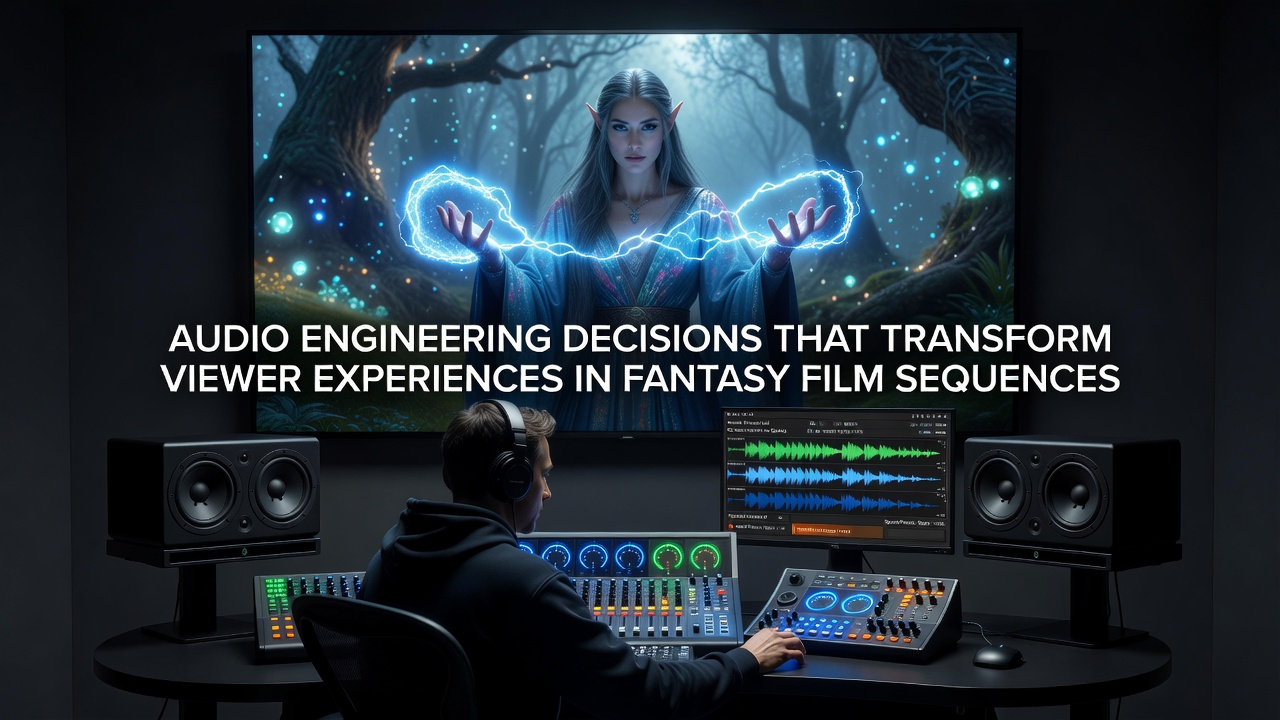
Audio Engineering Choices Enhancing Immersion in Fantasy Film Sequences
Audio engineering decisions play a central role in shaping how audiences experience fantasy film sequences, where sound layers combine with visuals to build alternate worlds, and professionals in the field apply precise techniques to heighten engagement during key moments of action or magic. Researchers at institutions across North America and Europe have documented how choices in mixing, foley recording, and spatial placement affect viewer attention and emotional response, with data from multiple studies indicating measurable shifts in audience retention when audio elements align tightly with on-screen events.
Core Techniques in Fantasy Sound Design
Engineers frequently employ multi-track layering to construct complex soundscapes, where individual elements such as creature vocalizations, environmental ambiences, and magical effects receive separate processing before integration into the final mix, and this method allows for dynamic adjustments that respond to scene pacing. Observers note that spatial audio formats like Dolby Atmos enable sounds to move through three-dimensional space, placing effects above or behind viewers in theater environments, while data from industry reports shows increased use of these tools in productions released since 2024. In sequences featuring large-scale battles or enchanted landscapes, reverb tails and frequency modulation create distance and scale, helping audiences perceive vast environments without visual cues alone.
Those who study film audio point to foley artistry as another critical area, where artists record custom sounds for creature movements or spell activations using everyday objects manipulated in controlled studios, and synchronization with picture occurs through frame-accurate editing that preserves timing across international release versions. August 2026 marks the rollout of updated post-production guidelines from several European film commissions that emphasize consistency in these practices for fantasy titles distributed across multiple territories.
Integration of Music and Dialogue with Effects
Balancing orchestral scores with dialogue and effects requires careful frequency carving so that low-end rumbles from fantasy creatures do not mask vocal frequencies, and automated ducking systems now handle many of these transitions in real time during final mixes. Research indicates that when engineers apply side-chain compression selectively, viewers report clearer narrative comprehension in crowded scenes, according to findings shared by academic groups in Canada and Australia. Dialogue recording often incorporates binaural techniques for intimate moments, allowing whispered incantations to feel positioned close to the listener even in large venues.
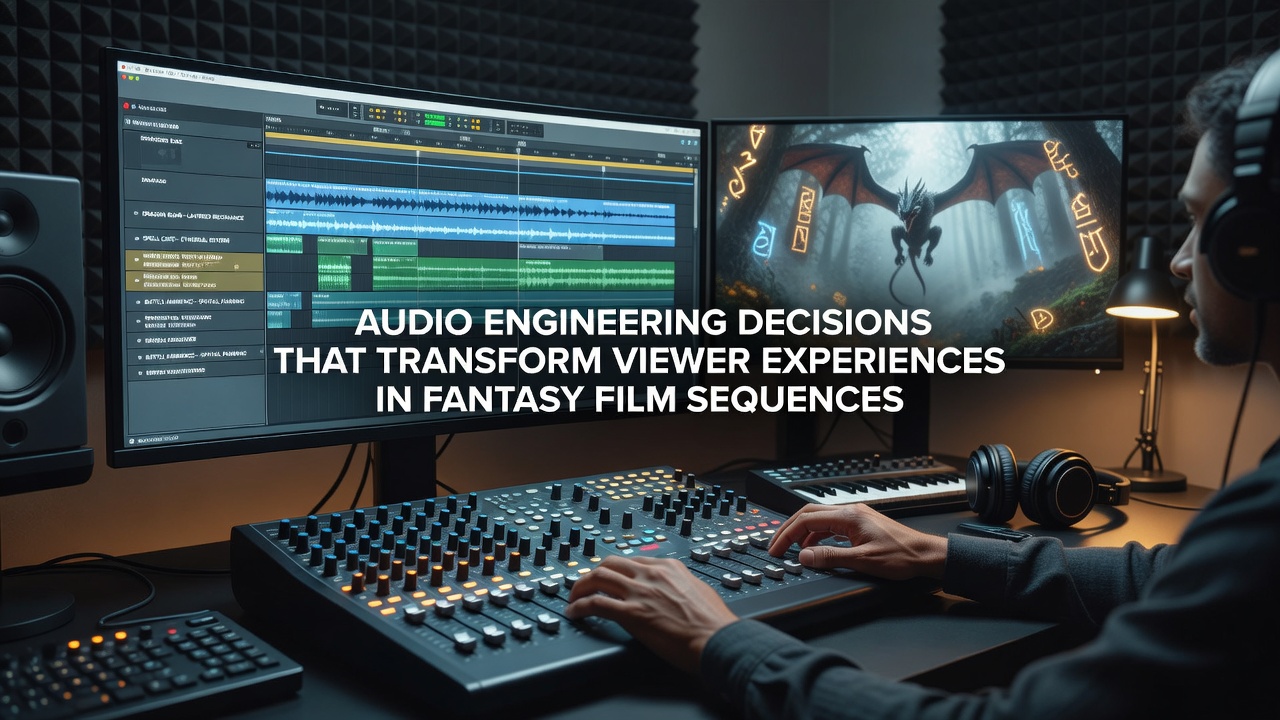
Case examples from recent productions demonstrate how these decisions unfold, with one studio workflow involving iterative playback tests in calibrated rooms that simulate various exhibition spaces, while another relies on metadata tagging for adaptive mixes that adjust across streaming platforms and theatrical releases. Figures from trade analyses reveal that films employing such adaptive audio see higher completion rates on home viewing platforms compared to those using static mixes.
Technological Tools and Workflow Adaptations
Software advancements have introduced machine-learning assisted noise reduction and source separation, enabling engineers to isolate and enhance specific audio stems from location recordings that might otherwise contain unwanted artifacts, and this capability proves especially useful when fantasy sequences incorporate practical effects captured on set. Industry organizations in the United States and Japan have published joint reports on how these tools reduce post-production timelines without compromising quality. Hardware controllers with haptic feedback further allow mixers to feel low-frequency energy during sessions, supporting decisions that translate effectively to consumer playback systems ranging from high-end soundbars to mobile devices.
Training programs at universities in multiple regions now incorporate virtual reality environments for students to practice audio placement in simulated fantasy scenes, and early results from these curricula show graduates entering the workforce with stronger spatial reasoning skills. Data compiled by research institutions indicates steady growth in demand for professionals skilled in both traditional recording and emerging immersive formats through the current decade.
Conclusion
Audio engineering decisions continue to evolve alongside exhibition technologies, with ongoing refinements in spatial mixing, foley integration, and adaptive processing directly influencing how fantasy sequences resonate with global audiences, and organizations tracking these trends project further standardization of best practices by late 2026. Those who examine the intersection of sound and image note consistent patterns where precise engineering elevates narrative clarity and atmospheric depth across diverse production scales.