Cinema's Hidden Architects: The Influence of Production Designers on Visual Storytelling Trends
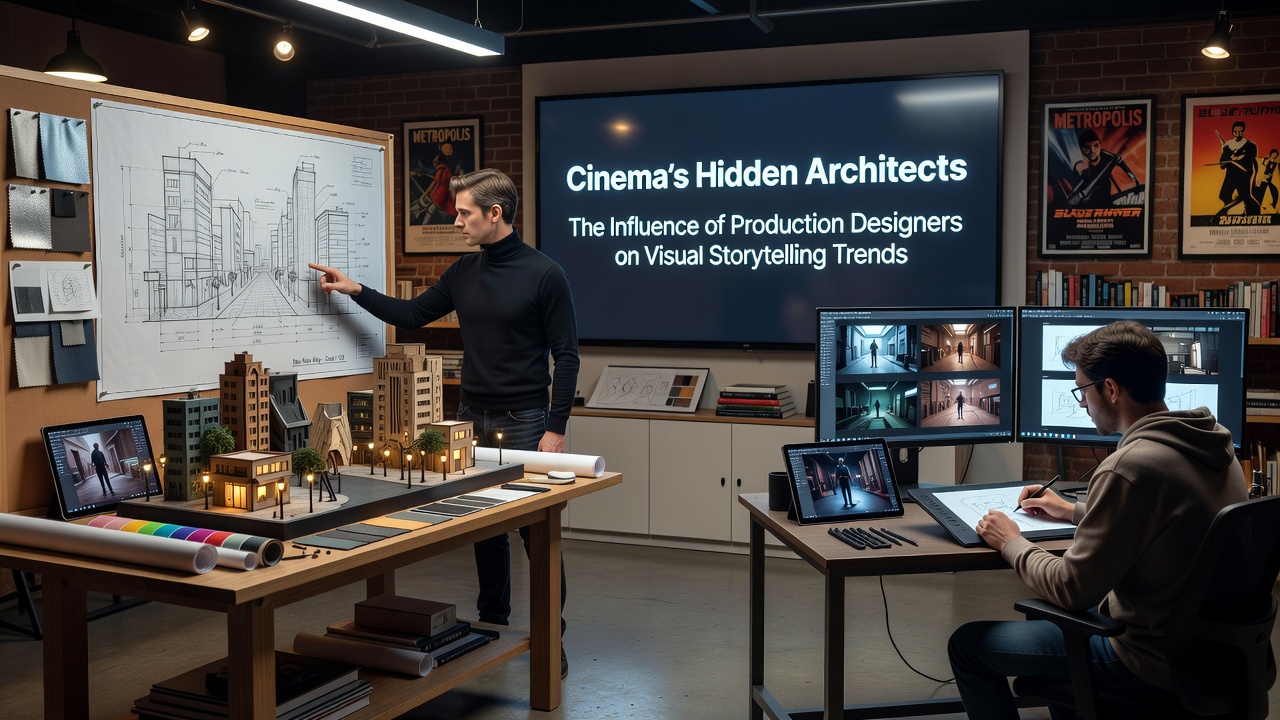
Production designers shape the visual language of cinema through their oversight of sets, props, color palettes, and spatial compositions that support narrative goals, and their contributions have guided evolving storytelling approaches across decades of film production. Researchers at institutions including the British Film Institute have documented how these professionals collaborate with directors and cinematographers to establish environments that communicate character psychology and thematic elements without relying solely on dialogue or performance.
Core Responsibilities in Film Production
Production designers begin their work during pre-production by interpreting scripts into visual frameworks that directors can use as reference points, and they coordinate teams of art directors, set decorators, and prop masters to execute those frameworks on set. Data from the Art Directors Guild shows that feature film projects in 2025 allocated between 15 and 25 percent of below-the-line budgets to departments under production design leadership, reflecting the scale of resources required to build immersive worlds. Those figures reveal consistent investment patterns that have remained stable even as digital tools expanded options for virtual set construction.
Historical Shifts in Visual Approach
Early Hollywood production design emphasized studio-built environments that prioritized controlled lighting and repeatable set pieces, whereas European movements in the 1920s introduced expressionist distortions that influenced later genre conventions in science fiction and horror. Observers note that the transition to location shooting in the 1960s prompted designers to integrate practical architecture with constructed elements, creating hybrid spaces that blended authenticity with narrative function. Studies conducted by film programs at universities in Canada and Australia indicate that these hybrid techniques persist in contemporary productions where real-world locations receive substantial modifications to align with story requirements.
By the 1980s, increased emphasis on world-building in franchise films elevated the visibility of production design decisions, and subsequent decades saw designers adapting to computer-generated environments that required them to establish rules for digital extensions of physical sets. Evidence from industry reports compiled through 2025 demonstrates that productions incorporating substantial virtual production stages still rely on traditional design leadership to maintain visual continuity across practical and digital components.
Influence on Contemporary Storytelling Trends
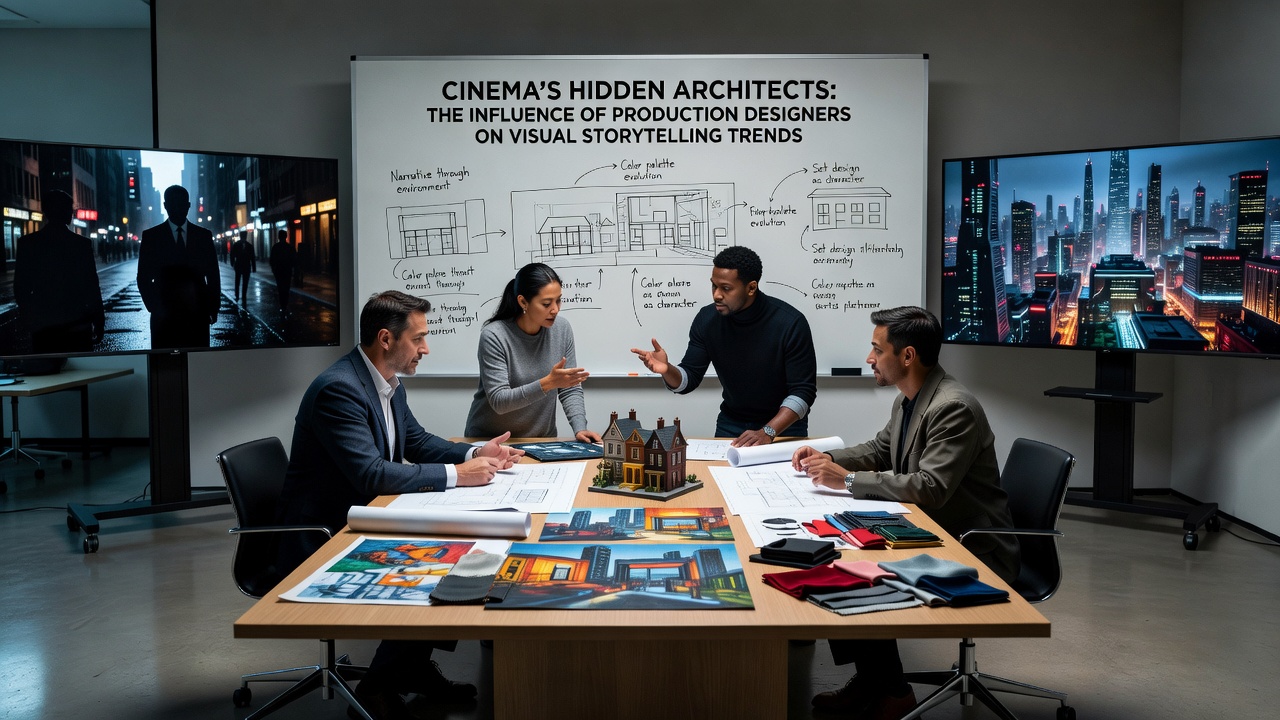
Current visual storytelling trends reflect production designers' growing involvement in establishing tonal consistency across multi-platform releases, including theatrical films and streaming series that share the same fictional universes. Research indicates that color and texture choices developed during the design phase now serve as reference points for marketing materials and audience engagement campaigns, extending the designer's influence beyond the finished film itself. In July 2026, several major studio productions scheduled for release continue to highlight production design as a central component of their promotional strategies, underscoring the department's role in shaping audience expectations.
Designers have adapted to sustainability requirements by sourcing materials that reduce environmental impact while preserving visual impact, and regulatory frameworks in the European Union have encouraged documentation of these practices across international co-productions. Those who've studied workflow changes report that digital previsualization tools allow earlier integration of design decisions with script revisions, shortening the time between concept approval and physical construction without diminishing creative input from the design team.
Case Examples of Design Impact
Take one project where production designers developed layered environments that supported both practical effects and post-production enhancements, resulting in spaces that communicated narrative progression through spatial changes alone. There's this case where experts found that recurring architectural motifs across a trilogy reinforced thematic continuity, and audiences responded to those motifs even when they appeared in altered forms. One study revealed that color temperature shifts coordinated by the design department influenced emotional responses measured through audience testing sessions conducted prior to release.
Additional examples include productions that used modular set elements to facilitate rapid reconfiguration between scenes, reducing downtime and supporting tighter shooting schedules. People who've examined production records note that these modular approaches originated from practical constraints yet produced distinctive visual signatures that later became associated with specific directors or studios.
Future Directions and Industry Adaptation
Emerging technologies such as real-time rendering on virtual stages continue to expand the scope of production design responsibilities, and industry organizations track how training programs incorporate these tools to prepare new designers. Reports from academic research centers indicate that cross-disciplinary collaboration between production designers and visual effects supervisors has become standard practice on large-scale projects, ensuring that physical and digital assets maintain consistent visual logic throughout post-production.
Conclusion
Production designers function as central coordinators who translate narrative concepts into tangible visual systems that audiences experience as coherent cinematic worlds, and their influence extends across technical, creative, and economic dimensions of filmmaking. Documentation from multiple industry sources confirms that design decisions made early in production continue to affect downstream processes including marketing, distribution, and long-term franchise development. Those patterns demonstrate that the role remains integral to visual storytelling even as production methods evolve.