Data Insights Fuel Niche Genre Comebacks in Mid-Budget Films
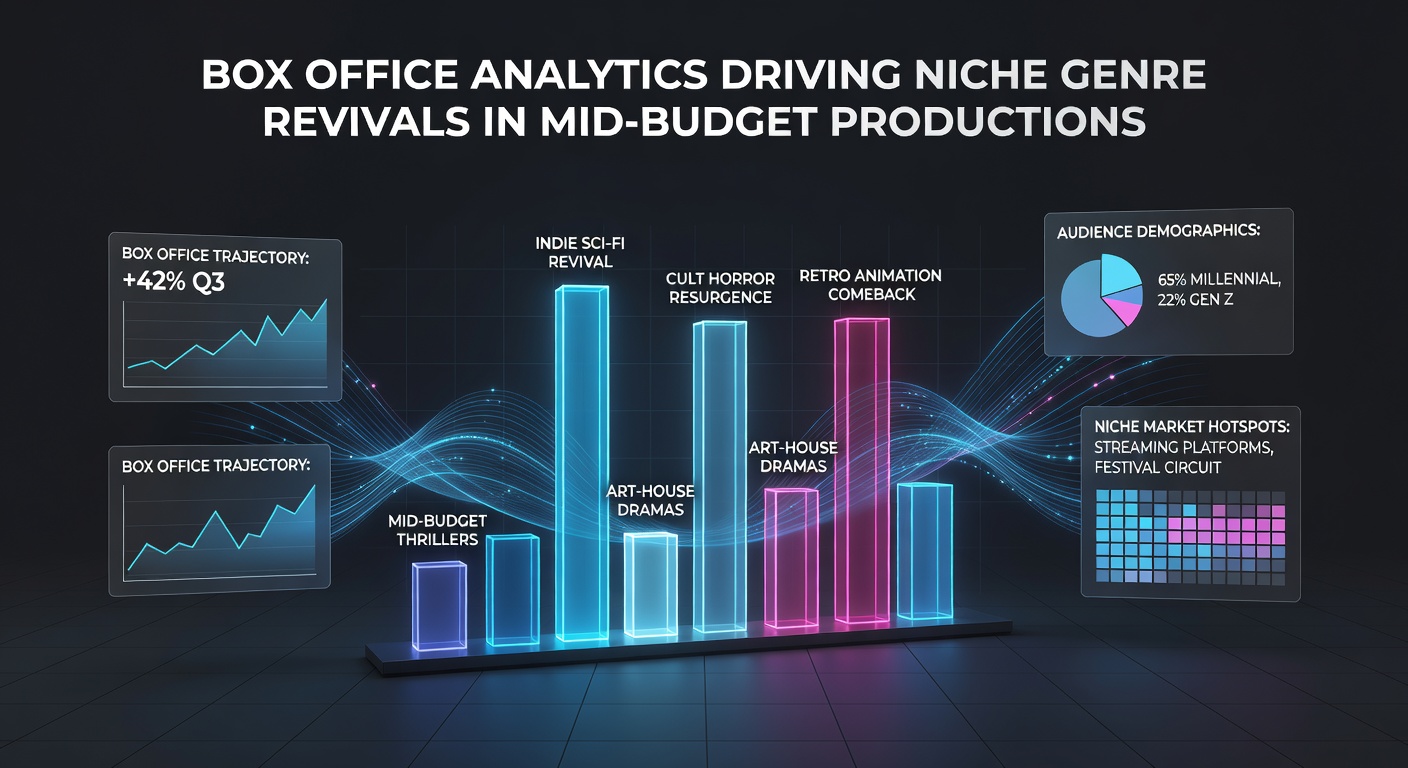
Production companies increasingly rely on box office analytics to pinpoint opportunities for niche genre revivals within mid-budget films, where budgets typically fall between twenty and sixty million dollars, and data patterns guide decisions on everything from script development to release timing. Studios examine historical performance metrics across streaming platforms and theatrical runs to spot underserved audiences for categories like neo-noir thrillers or folk horror, which once struggled for greenlights but now show renewed viability through targeted data modeling.
Analytics Tools Reshape Project Selection
Teams at major distributors deploy predictive algorithms that process ticket sales, social sentiment scores, and regional viewership data to forecast returns on genre-specific content, allowing executives to greenlight projects that align with emerging viewer clusters rather than broad appeal formulas. This approach has led to increased funding for mid-budget entries in areas such as period mysteries and environmental sci-fi, where past releases underperformed due to poor marketing alignment but now benefit from refined audience segmentation drawn from global box office databases. Researchers at institutions like the University of Southern California have documented how these models reduce financial risk by highlighting correlations between specific subgenres and repeat viewing habits in urban markets.
What's notable is the way smaller production outfits integrate real-time tracking from platforms like Comscore and Rentrak to adjust promotional spend mid-campaign, ensuring that niche titles gain traction in secondary cities where data reveals untapped demand for retro-futuristic adventures or intimate character-driven westerns. And because these tools aggregate information from multiple territories, producers can sequence releases to build momentum across borders without overextending resources.
Genre-Specific Revivals Gain Traction
Folk horror productions illustrate the shift clearly, with several mid-budget titles achieving solid returns after analytics flagged rising interest in rural folklore themes among younger demographics in both North American and European territories. Similar patterns appear in neo-western dramas, where data on sustained home viewing numbers prompted studios to revisit scripts that emphasize moral ambiguity over action spectacle. The European Audiovisual Observatory reports that such targeted investments have lifted average earnings for these categories by highlighting cross-promotional opportunities with popular television series that share thematic DNA.
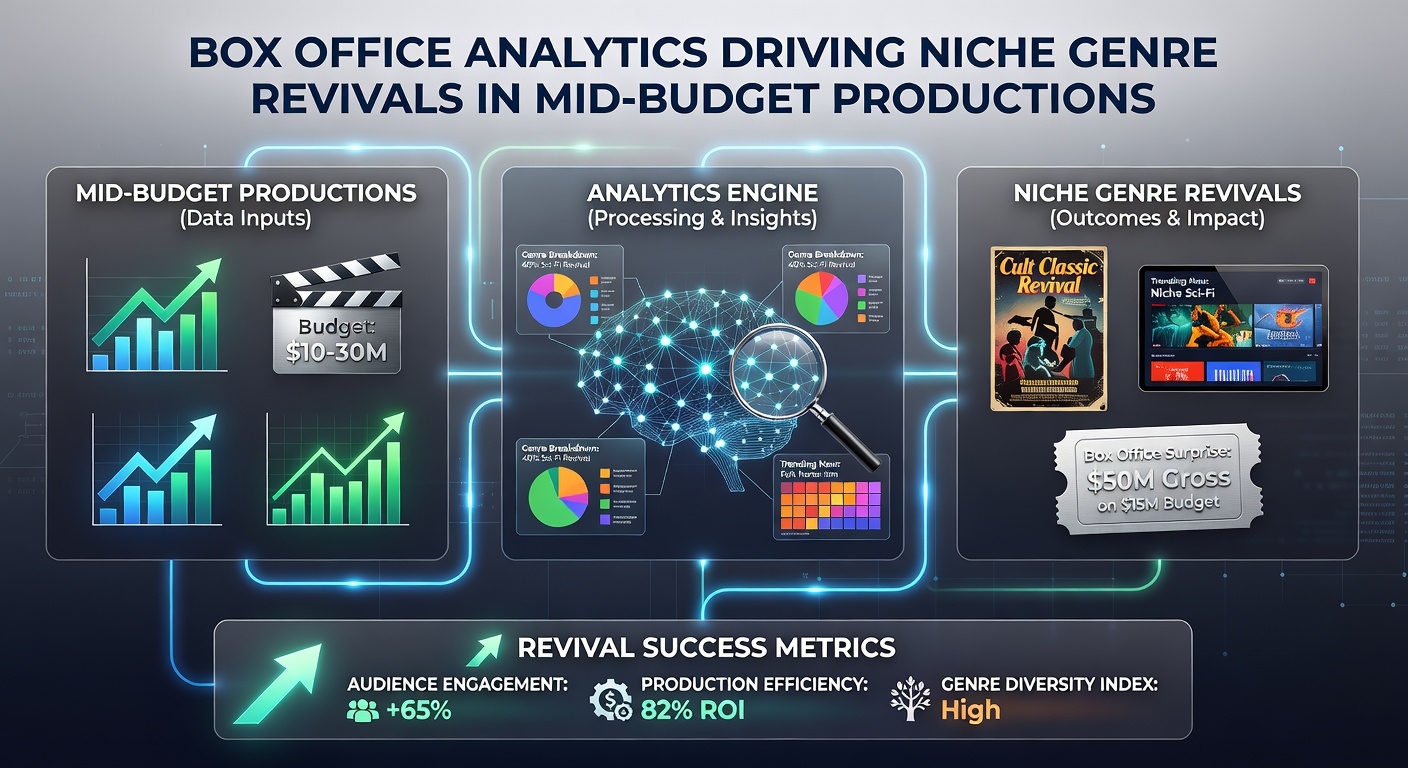
By May 2026, several upcoming slate announcements already reflect this data-led strategy, including multiple folk-horror and neo-noir projects scheduled for fall releases after models projected strong opening weekends in markets where comparable titles exceeded expectations last year. Observers note that analytics also help calibrate casting choices, favoring actors whose past work correlates with higher engagement in niche categories rather than relying solely on star power.
Regional Preferences and Release Strategies
Data reveals distinct geographic variations that influence how studios position mid-budget genre films, such as stronger appetite for environmental sci-fi in coastal regions compared to inland areas that favor period mysteries. Companies adjust trailer emphasis and platform partnerships accordingly, using heat maps of past ticket purchases to allocate marketing dollars where they yield the highest return. This granular approach has proven effective for sustaining revenue streams beyond opening weekends, especially when combined with simultaneous video-on-demand rollouts timed to peak social media discussions.
Industry reports from sources like the Motion Picture Association indicate that analytics-driven campaigns have narrowed the gap between high-profile blockbusters and mid-tier releases in overall profitability metrics, particularly when niche genres receive tailored distribution windows. Those who've studied distribution logs point to examples where precise timing around cultural events boosted attendance for folk horror entries by aligning with seasonal audience moods.
Challenges and Ongoing Adaptations
While analytics deliver clearer signals, they also require constant refinement to account for shifting viewer behaviors influenced by economic factors and competing entertainment options. Production teams must balance data recommendations against creative considerations, ensuring that revived genres retain distinctive voices rather than becoming formulaic. Yet the integration of machine learning continues to expand, incorporating variables like weather patterns in key markets and competitor release overlaps to fine-tune projections further.
Conclusion
Box office analytics continue to drive niche genre revivals by providing evidence-based pathways for mid-budget productions to connect with specific audiences, reshaping how studios evaluate and launch films in categories once considered risky. As datasets grow more sophisticated through 2026 and beyond, the pattern suggests sustained momentum for these targeted approaches across global markets.