European Theater Chains Adjust Midweek Releases to Match Evolving Audience Demographics
Written by Elena Powell · Jul 28, 2026
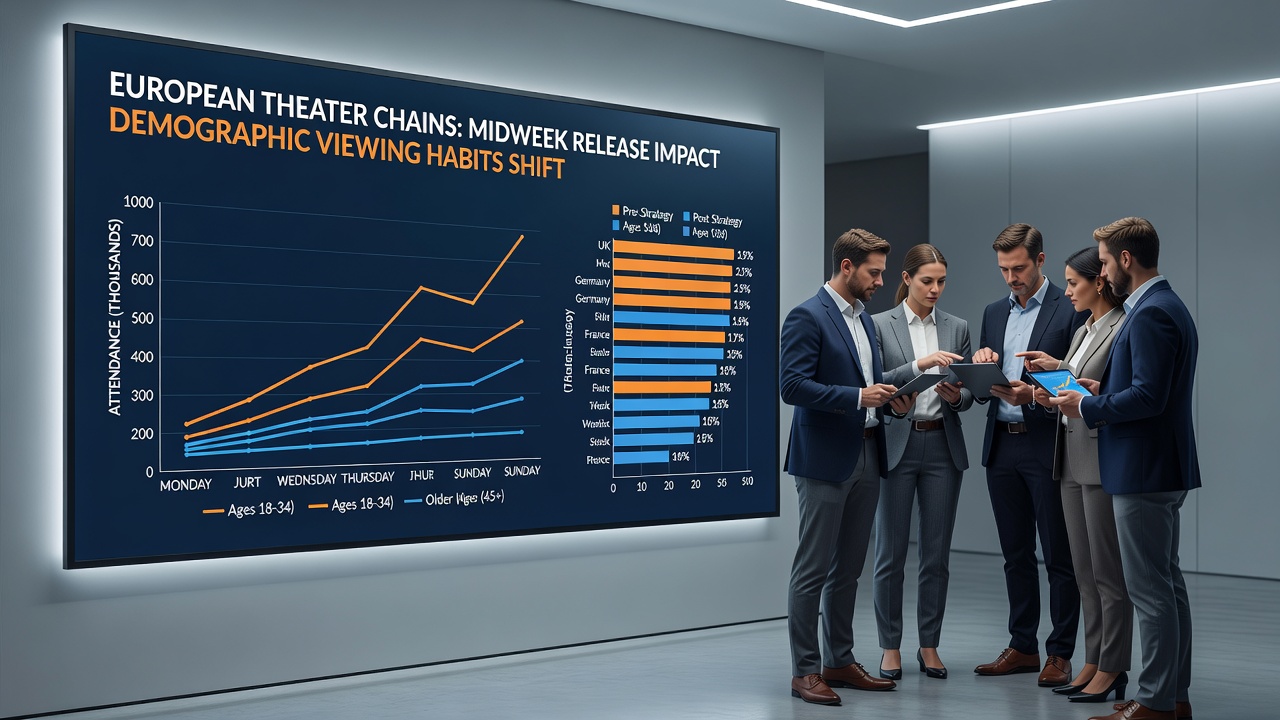
European Theater Chains Adjust Midweek Releases to Match Evolving Audience Demographics
European theater chains have expanded midweek release strategies in recent years, and data from multiple markets shows corresponding changes in who attends screenings on those days. Observers note that Tuesday and Wednesday openings now draw different age groups and income brackets compared with traditional weekend launches, while chains in Germany, France, and Spain report measurable adjustments in ticket sales patterns through 2025 and into July 2026.
Background on Midweek Strategies
Chains such as Cineworld, Pathé, and UCI Cinemas began testing staggered release dates after 2020, when reduced weekend capacity forced operators to spread attendance across the week. Research from the European Audiovisual Observatory indicates that by 2023 roughly 18 percent of major studio titles in the EU opened on a Tuesday or Wednesday, up from under 6 percent in 2018. Those figures continued climbing through 2025 as operators tracked higher occupancy rates on slower days and lower marketing costs tied to reduced competition with weekend blockbusters.
Demographic Shifts Observed
Attendance data reveals clear movement in viewer profiles. In France, the Centre national du cinéma et de l'image animée reported that midweek screenings of family titles attracted 27 percent more viewers aged 35 to 54 than weekend equivalents during the first half of 2025. In Germany, the Filmförderungsanstalt recorded a 22 percent rise in student attendance on Wednesdays for mid-budget dramas between January and June 2026, coinciding with university schedules that leave midweek afternoons open.
Spanish operators tracked by the Instituto de la Cinematografía y de las Artes Audiovisuales found senior citizens increased their share of midweek tickets from 14 percent in 2022 to 31 percent in early 2026, particularly for documentaries and European co-productions released on Tuesdays. These patterns emerged alongside discounted ticket programs aimed at weekday traffic, which chains expanded after analyzing point-of-sale records.
Regional Variations Across Chains
Northern European markets show distinct trends from southern ones. Dutch multiplexes operated by Vue reported stronger uptake among remote workers booking Tuesday evening shows for action sequels, whereas Italian chains noted steadier growth in family matinees on Wednesdays for animated features. A joint industry report compiled by the International Union of Cinemas highlighted that chains offering flexible pricing on midweek days maintained occupancy rates above 65 percent year-round, compared with 48 percent at venues that kept weekend-centric calendars.

Take the example of one major German chain that shifted three action franchises to Wednesday openings in spring 2025. Internal figures showed a 19 percent increase in 18-to-24 attendance while weekend numbers for the same titles held steady, indicating the new slot captured an additional cohort rather than simply moving existing viewers. Similar outcomes appeared in Belgium, where operators adjusted release calendars after reviewing loyalty-card data that linked midweek discounts to repeat visits from lower-income households.
Impact on Broader Industry Metrics
Industry-wide revenue figures compiled through July 2026 reflect these adjustments. The European Audiovisual Observatory noted that films using midweek strategies achieved 12 percent higher cumulative attendance in their first four weeks when compared with titles that opened exclusively on Fridays during the same period. Chains also reported lower per-screen marketing spend because staggered dates allowed longer use of existing promotional materials across the week.
Those who've studied scheduling patterns point to additional effects on ancillary revenue. Concession sales per midweek ticket rose in several markets, attributed to longer dwell times when audiences faced fewer crowds. Theater operators in Scandinavia linked the trend to expanded streaming tie-ins that promoted weekday cinema visits as social alternatives to home viewing.
Conclusion
European theater chains continue refining midweek release approaches based on ongoing collection of demographic and sales data. Figures through July 2026 indicate sustained differences in who attends on those days, with operators in multiple countries adapting pricing, programming, and promotion accordingly. The patterns documented so far show measurable connections between release timing and audience composition across the region.