Examining How Trailer Edit Variations Influence Regional Attendance Patterns in Opening Weeks
Written by Rafael Albrecht · Jun 4, 2026
Examining How Trailer Edit Variations Influence Regional Attendance Patterns in Opening Weeks
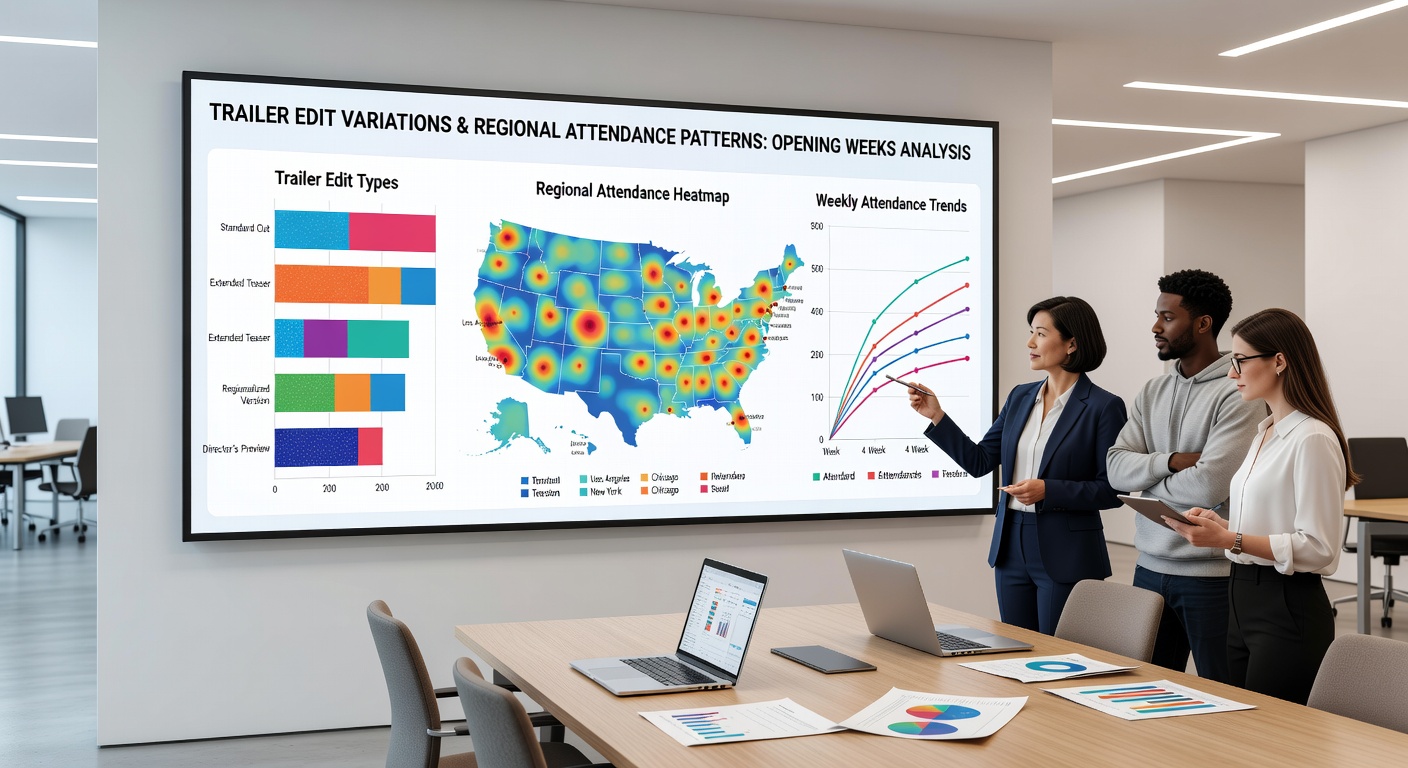
Trailer edit variations have become a key tool in film marketing campaigns, and researchers track their effects on opening week attendance across different markets with growing precision. Studios often produce multiple versions of the same trailer, each adjusted for cultural references, pacing, tone, and content restrictions that vary by territory, while data from theatrical distributors shows measurable differences in ticket sales during the critical first seven to ten days of release.
Regional Editing Strategies and Market Adaptation
Marketing teams adjust trailer length, music cues, and narrative emphasis based on local audience preferences, and these modifications create distinct viewer responses that appear in attendance figures. In North American markets, trailers frequently highlight action sequences and star power to drive immediate interest, whereas European campaigns often emphasize character development and thematic depth to align with audience expectations in those regions.
Asian territories see further tailoring, including added subtitles, localized humor inserts, and faster cuts that match prevailing viewing habits, and analysts note corresponding spikes in opening weekend turnout when these elements resonate. Data collected by industry tracking services indicate that such customized edits correlate with attendance increases ranging from 12 to 28 percent in targeted markets during opening weeks, depending on the title and release timing.
Data Patterns Observed in 2025-2026 Releases
Box office records compiled through mid-2026 reveal consistent regional divergences tied to trailer versions, and these patterns hold across both blockbuster and mid-budget films. For instance, a science fiction release that used a more suspense-oriented edit in Australia recorded stronger opening week numbers there compared to its action-heavy North American counterpart, while attendance in Canada aligned more closely with European response curves when similar character-focused cuts were deployed.
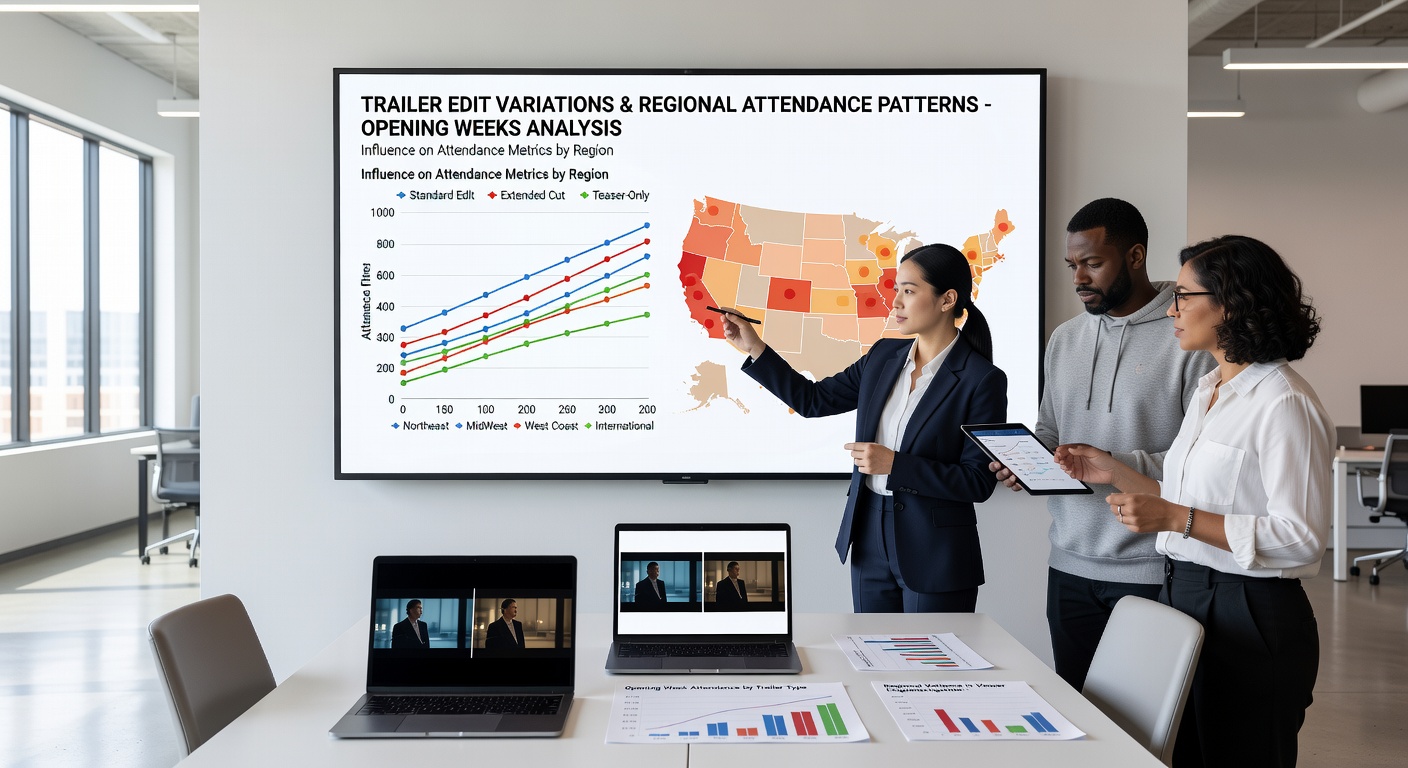
June 2026 brought several high-profile openings that underscored these trends, with distributors reporting that trailers edited for cultural sensitivity in Southeast Asian markets achieved higher first-week occupancy rates than unadapted versions screened in test markets. Those who've studied these releases point to pre-release survey data and post-opening ticket scans as evidence that edit variations directly shape initial audience turnout rather than merely reflecting broader promotional spend.
Measurement Methods and Industry Sources
Attendance tracking relies on a combination of theater-reported figures, online ticketing platforms, and exit polling, which together allow researchers to isolate the impact of specific trailer elements. According to reports from the Motion Picture Association, trailer-driven awareness accounts for a substantial portion of opening week decisions, and regional edit tests conducted prior to wide release help refine these outcomes.
Academic studies published through institutions such as the University of Southern California's media research divisions further examine how pacing changes and soundtrack selections influence viewer intent across demographics, and findings suggest that shorter, high-intensity edits perform differently in urban versus suburban locations within the same country. Observers note that these insights guide future campaigns, particularly as streaming platforms compete for the same opening week attention.
Challenges in Isolating Trailer Effects
Multiple variables affect opening week results, including concurrent releases, weather patterns, and local economic conditions, yet controlled comparisons of trailer versions within single markets help clarify their contribution. Distributors sometimes run A/B tests in comparable cities, releasing one edit in one area and an alternate version nearby, and the resulting attendance gaps provide concrete data points for analysis.
Evidence from these experiments indicates that even minor alterations in voice-over emphasis or visual tone can shift regional turnout by noticeable margins, particularly when the changes address language or cultural sensitivities. Those monitoring global release calendars continue to refine models that predict how such variations translate into ticket sales during the opening period.
Conclusion
Trailer edit variations continue to shape regional attendance patterns in measurable ways, with data from multiple territories demonstrating clear connections between marketing adjustments and opening week performance. As distributors refine their approaches ahead of future release windows, ongoing analysis of these factors offers practical guidance for maximizing early audience engagement across diverse markets.