Festival Circuit Dynamics and Their Influence on Long-Term Distribution for Mid-Tier Films
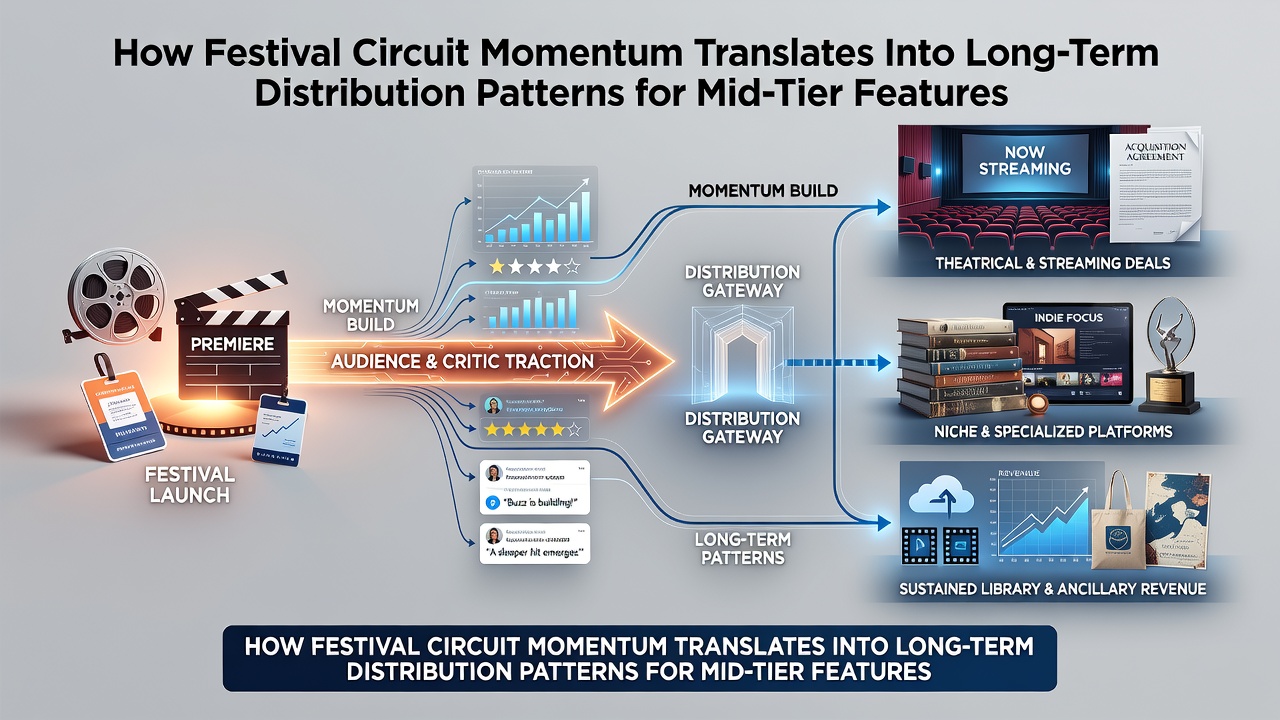
Festival circuits create initial momentum for mid-tier features through premieres, audience reactions, and industry acquisitions that often determine subsequent release windows across multiple territories. Data from global film tracking services shows that titles generating strong critical response and buyer interest at events like Sundance or Cannes frequently secure distribution deals that extend beyond initial theatrical runs into streaming platforms and international markets. Observers note patterns where such momentum correlates with sustained revenue over 18 to 36 months rather than short bursts tied to awards seasons alone.
Mid-tier features typically carry production budgets between 10 and 50 million dollars and rely on festival exposure to offset limited marketing resources compared to studio tentpoles. Research indicates that films securing distribution within three months of a major festival appearance achieve broader platform availability in secondary markets including video-on-demand services and broadcast television. Those who've studied release data across regions point to higher retention rates for titles that leverage early buzz into long-term licensing agreements rather than relying solely on domestic box office performance.
Acquisition Patterns Following Festival Premieres
Distributors monitor festival screenings for indicators such as walkout rates, social media volume, and critic scores that predict audience demand in wider releases. According to reports from film industry analysts, mid-tier features with positive festival reception in early 2026 often transition into deals with independent distributors who then coordinate staggered releases timed to align with seasonal viewing habits in Europe and Asia. This approach allows companies to maximize ancillary revenue streams through home entertainment windows that can last well into subsequent years.
Case examples reveal how certain titles maintain visibility through targeted re-releases or catalog placements on streaming services years after their festival debuts. Data shows that momentum from events held between January and June tends to produce distribution patterns favoring multi-territory deals over single-market theatrical runs, especially when international buyers participate in bidding processes during the festival itself. Experts have observed that such strategies reduce the risk of rapid revenue drop-off once initial hype fades.
Regional Variations in Sustained Distribution
Distribution patterns differ by region where North American deals often emphasize streaming rights while European markets prioritize theatrical and television licensing that extends over longer periods. Figures from the European Audiovisual Observatory reveal that mid-tier features with festival pedigree secure extended runs in countries like France and Germany through partnerships with public broadcasters and regional funds. In contrast, data from Australian film authorities highlights quicker shifts to digital platforms for similar titles, driven by smaller domestic audiences and geographic factors.
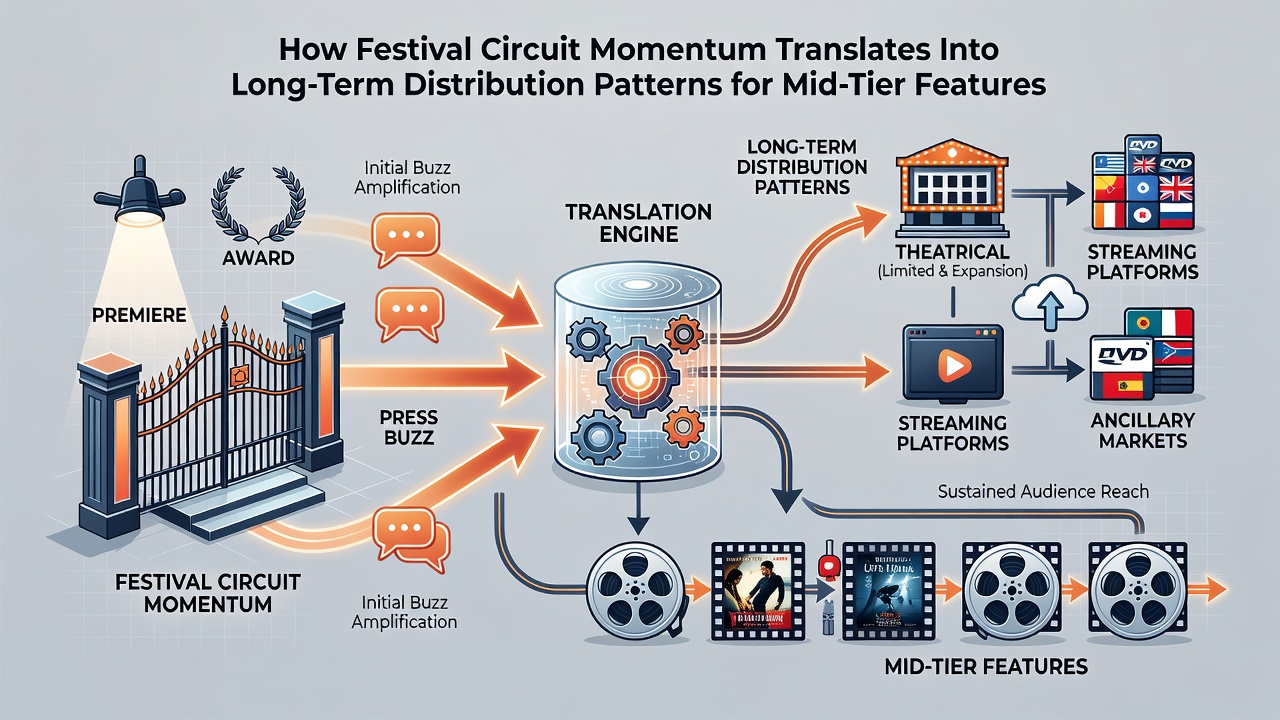
As of June 2026, tracking services report increased use of data analytics by distributors to forecast long-term performance based on festival metrics such as repeat viewings and demographic breakdowns. This development enables more precise allocation of marketing budgets toward territories where sustained interest appears strongest, leading to hybrid release models that combine limited theatrical engagements with immediate digital access in select areas.
Data-Driven Insights on Revenue Longevity
Studies from academic institutions including those affiliated with the University of Southern California indicate that festival momentum contributes to higher lifetime earnings when paired with strategic release timing that avoids direct competition from major studio releases. Revenue curves for mid-tier features show plateaus rather than sharp declines when initial festival success translates into catalog placement on multiple platforms over time. Those analyzing box office and ancillary data note that titles without such momentum often experience steeper falloffs within the first year post-release.
Industry organizations track these trends through aggregated reports that compare festival-acquired titles against non-festival releases across budget tiers. Evidence suggests consistent advantages in international sales volume for features that build on circuit visibility through coordinated promotional efforts involving talent appearances and targeted advertising campaigns in key markets.
Conclusion
Long-term distribution for mid-tier features increasingly depends on how effectively festival circuit momentum converts into multi-window licensing strategies tailored to regional consumption patterns. Data continues to demonstrate that early acquisition activity following premieres supports extended revenue cycles through diversified platform availability rather than concentrated theatrical pushes alone. Those monitoring industry shifts in 2026 observe ongoing refinement of these approaches as analytics tools provide clearer projections of sustained audience engagement across global markets.