Festival Circuits: Launchpads for Independent Films Seeking Commercial Breakthroughs

Film festivals serve as critical gateways where independent productions gain visibility and secure distribution agreements that lead to broader theatrical releases and streaming platform acquisitions. Observers note that circuits like Sundance, Cannes, and Toronto create structured pathways through which lesser-known titles attract buyers and audiences alike. Data from industry reports shows that films premiering at these events often achieve higher box office returns compared to those bypassing the festival route entirely.
Researchers have tracked how premieres generate immediate buzz through critic reviews and social media amplification while buyers from major studios attend screenings to evaluate potential acquisitions. This process accelerates commercial momentum because deals negotiated on-site frequently include marketing budgets and release strategies tailored for wider markets. Studies indicate that between 2020 and 2025 the percentage of independent films reaching global audiences increased notably after festival exposure according to figures from the European Audiovisual Observatory.
Distribution Pathways Opened by Festival Exposure
Once a film secures a slot at a top-tier festival its trajectory shifts from limited regional screenings to international negotiations. Producers report that awards or strong audience reactions trigger bidding wars among distributors who then handle theatrical rollouts and digital rights. What's interesting is how these agreements often bundle multiple territories at once allowing films to bypass traditional gatekeepers that favor high-budget studio projects. In June 2026 the Cannes Marché du Film is expected to facilitate similar transactions as it has in prior years with documented increases in pre-sales for genre and drama titles alike.
Case examples illustrate the pattern. One documentary that debuted at Sundance later expanded through a multi-platform deal reaching audiences in North America and Europe within months. Another narrative feature from an Australian director used its Toronto premiere to land a streaming partnership that generated sustained revenue streams long after initial festival runs concluded. These outcomes align with patterns observed by academic analyses from institutions tracking global cinema economics.
Revenue Amplification Through Audience and Buyer Engagement
Festivals concentrate decision-makers and enthusiasts in single locations which streamlines the transition from critical acclaim to commercial viability. Attendance data reveals thousands of industry professionals converge annually creating environments where word-of-mouth translates directly into acquisition offers. Evidence suggests that titles generating strong walk-up crowds at screenings often secure higher licensing fees because distributors factor in proven audience interest when projecting returns.
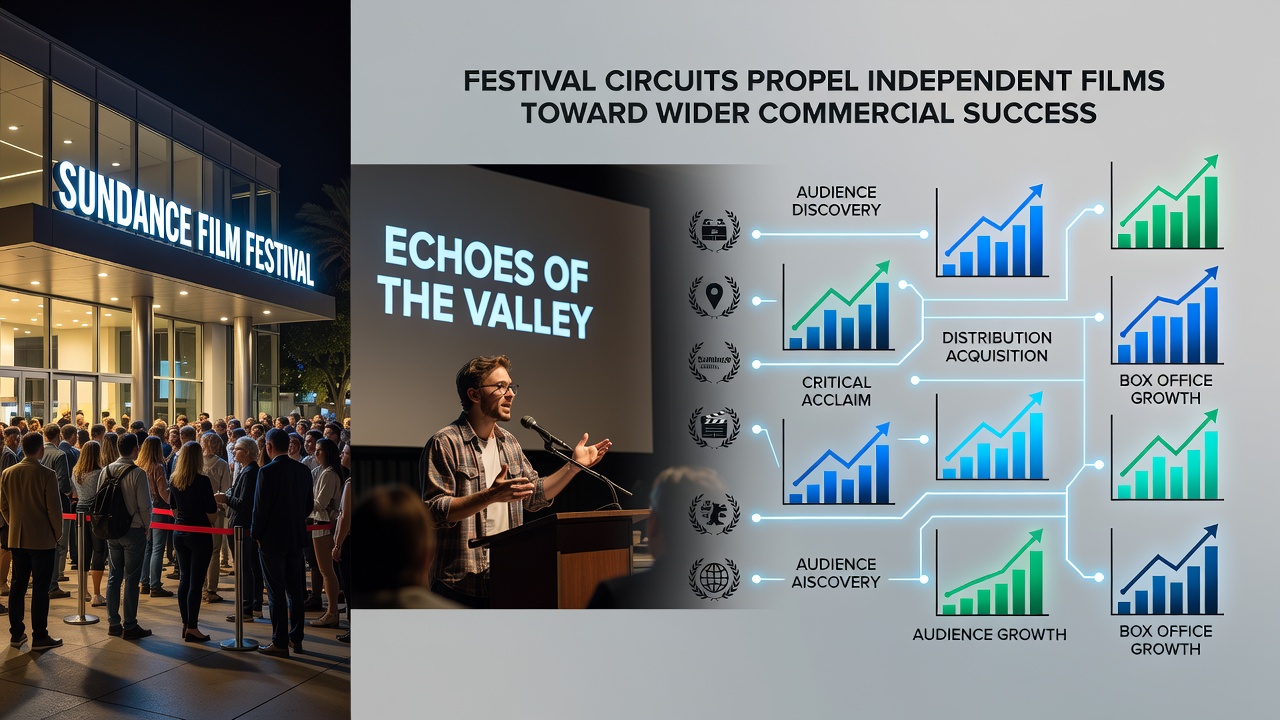
Regional variations further shape outcomes. European events tend to emphasize arthouse sensibilities that appeal to specialty distributors while North American circuits attract broader genre buyers seeking crossover potential. Australian and Canadian funding bodies have documented how festival wins correlate with increased production grants for subsequent projects by the same creators. This cycle reinforces long-term industry participation rather than one-off successes.
Strategic Timing and Market Positioning
Timing plays a decisive role because festival calendars align with key buying seasons. Spring premieres often feed into summer release windows while fall events position films for awards consideration that extends their commercial lifespan. Observers note that strategic placement within these circuits allows independents to compete for attention against studio releases by leveraging curated programming and press coverage.
Quantitative assessments from trade organizations show measurable uplifts in ancillary revenue streams such as international sales and merchandise following festival circuits. Producers leverage these moments to negotiate backend participation deals that share profits from downstream exploitation. The process builds cumulative momentum where initial festival validation reduces perceived risk for subsequent investors and partners.
Conclusion
Festival circuits function as integrated ecosystems that connect creative output with market infrastructure. Through structured premieres and deal-making environments independent films accumulate the visibility and partnerships necessary for wider distribution. Ongoing data collection by regional film commissions continues to confirm these linkages across multiple territories and production scales.