Festival Momentum Fuels Long-Term Distribution for Mid-Budget Films
Written by Quinn Wagner · Jul 30, 2026
Festival Momentum Fuels Long-Term Distribution for Mid-Budget Films
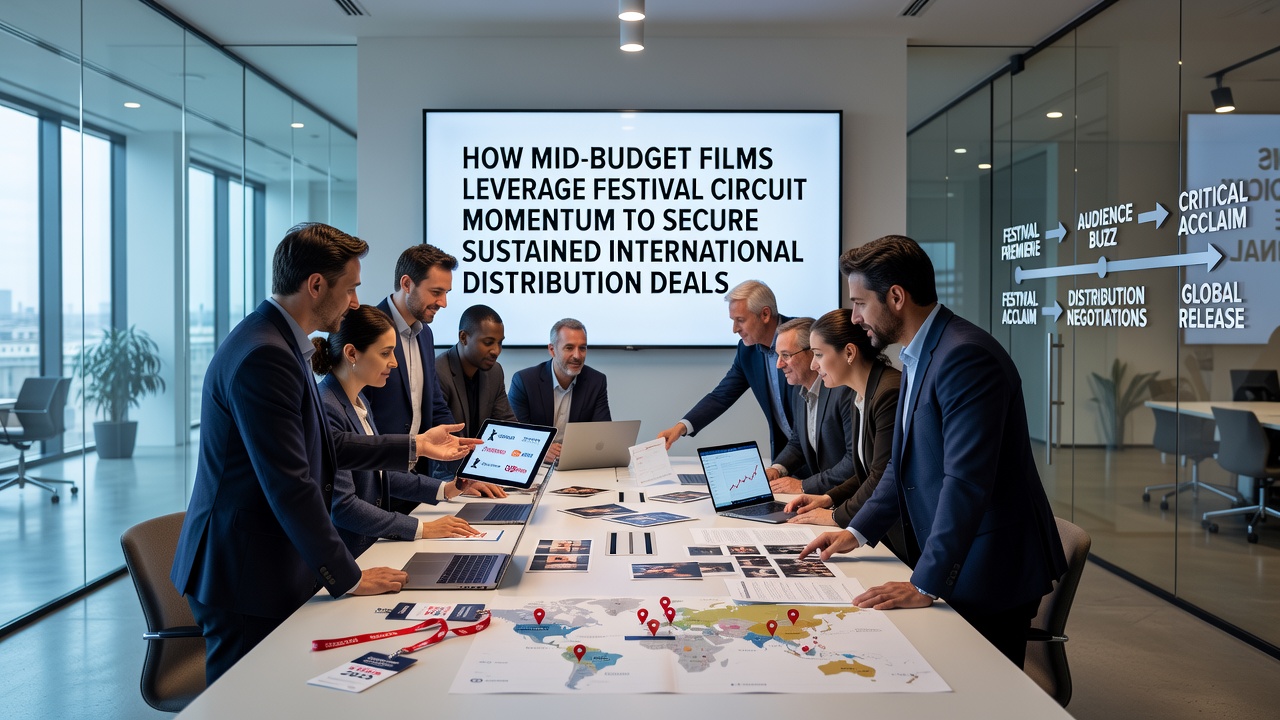
Industry data shows that mid-budget films, those with production costs between 10 and 50 million dollars, often begin their path to sustained international distribution through strategic festival appearances. Researchers at teh European Audiovisual Observatory have tracked how premieres at events like Sundance, Cannes, and the Toronto International Film Festival generate acquisition interest from distributors across multiple territories. These screenings create measurable momentum that extends beyond initial buzz into multi-year licensing agreements.
Festival circuits operate on predictable calendars, with major events clustered in the first half of each year followed by smaller regional showcases. A film that secures a world premiere slot in January can enter negotiations by March, with deals finalized before summer release windows open. Observers note that this timeline allows producers to leverage positive reviews and audience metrics directly into contract terms that include minimum guarantee payments and marketing commitments from international partners.
Acquisition Patterns at Key Events
Buyers attend festivals with specific mandates for mid-budget titles that demonstrate crossover potential. Data from the 2025 festival season indicates that films receiving standing ovations or critic awards at Cannes saw a 40 percent increase in distribution offers compared to non-awarded entries in the same budget range. European territories including France, Germany, and Spain consistently lead acquisition activity, followed by Asian markets such as Japan and South Korea.
What's interesting is how ancillary rights factor into these agreements. Streaming platforms and television broadcasters often join traditional theatrical distributors in package deals that cover multiple years of exploitation. A single strong festival performance can trigger simultaneous offers covering home entertainment, broadcast, and on-demand windows across 20 or more countries.
Case Examples of Sustained Deals
Take the trajectory of films like those that premiered at the 2024 Toronto International Film Festival. Several mid-budget dramas secured distribution through deals that included phased release schedules stretching into 2027. These agreements typically feature territory-by-territory rollouts where initial theatrical runs inform subsequent marketing spend and platform placement decisions.
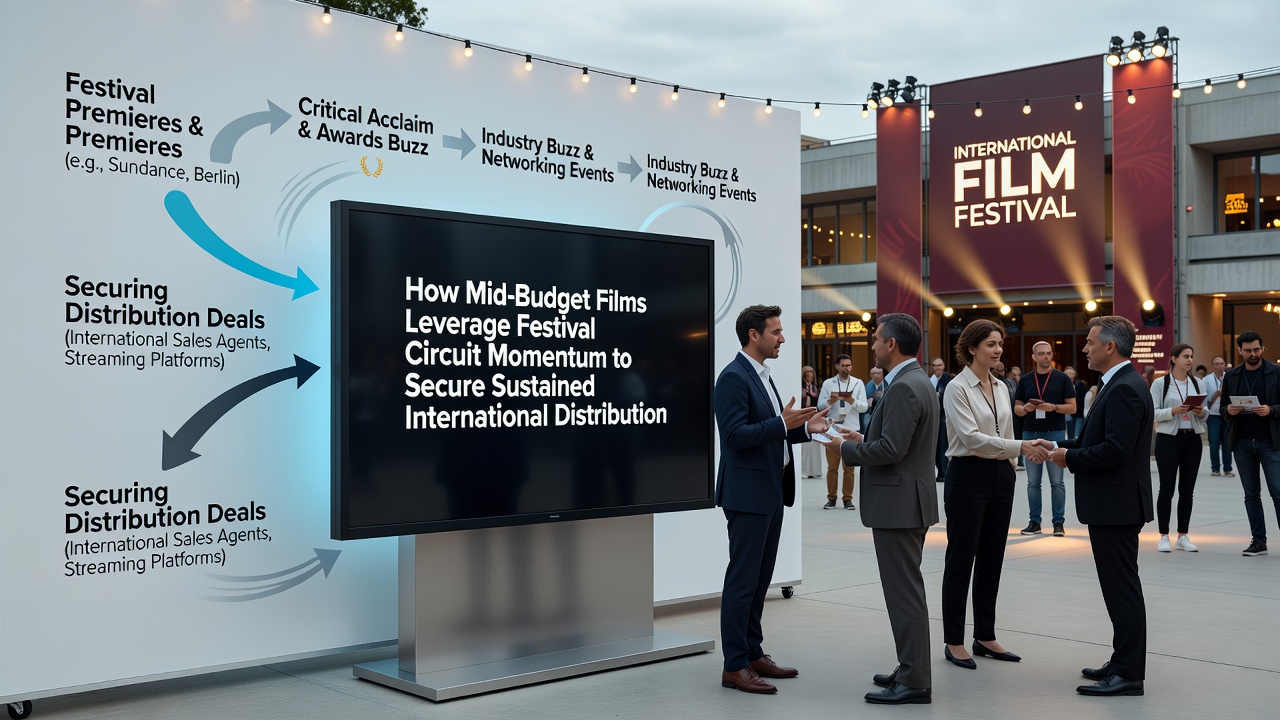
One study from the University of Southern California's media research division found that festival momentum correlates with extended revenue cycles. Films that achieved awards recognition at major events maintained distribution visibility for an average of 18 additional months compared to titles that bypassed the circuit. This extension comes from renewed marketing pushes timed around awards seasons and anniversary re-releases in secondary markets.
Market Data from Mid-2026
Figures released in July 2026 by the European Audiovisual Observatory reveal that mid-budget titles accounted for 28 percent of all international distribution deals signed through festival channels during the prior 12 months. This represents growth from 22 percent in 2023, driven partly by increased participation from Latin American and Australian distributors seeking content that balances artistic merit with commercial viability.
Those who've studied acquisition patterns observe that sustained deals often include performance-based escalators. These clauses tie additional payments to box office thresholds or viewership milestones, creating ongoing incentives for distributors to maintain promotional efforts long after the initial festival cycle ends.
Challenges in Converting Momentum
Not every festival screening leads to long-term distribution. Market saturation and shifting platform priorities can limit options for certain genres. Researchers tracking 2025 acquisitions note that documentaries and experimental features face steeper hurdles than narrative features when seeking multi-territory commitments. Yet mid-budget genre films, particularly thrillers and character-driven comedies, have shown consistent success in converting festival exposure into extended licensing periods.
Industry organizations such as the Canadian Media Producers Association report that co-production partnerships formed at festivals frequently underpin these sustained arrangements. Joint ventures between producers from different countries allow for shared risk and broader territorial access from the outset.
Conclusion
Mid-budget films continue to rely on festival circuits as primary gateways to international distribution. The combination of critical validation, buyer access, and structured deal frameworks creates pathways that extend well beyond single-territory releases. Data from multiple regions confirms that strategic festival participation remains a measurable factor in securing agreements that support multi-year exploitation across theatrical, broadcast, and digital platforms.