Festival Premieres Reshape Worldwide Film Release Schedules and Earnings Trends
Written by Alex Peters · Aug 11, 2026
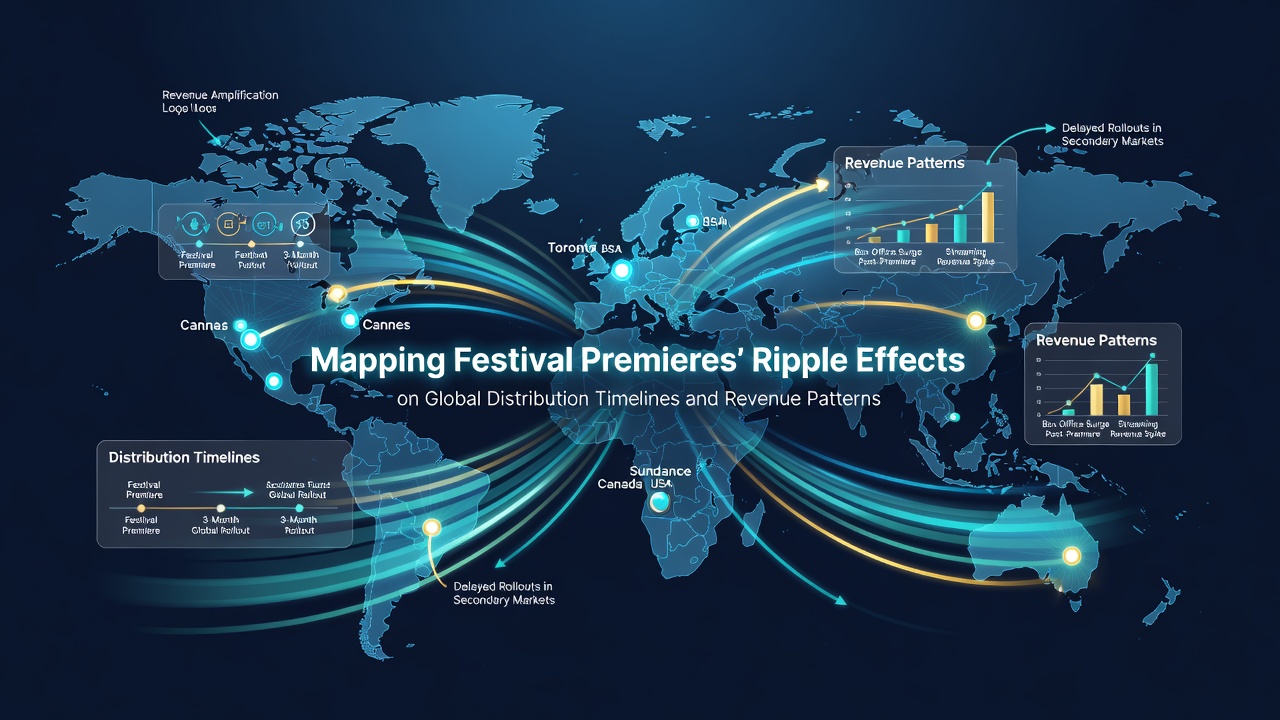
Festival Premieres Reshape Worldwide Film Release Schedules and Earnings Trends
Premieres at major festivals create measurable shifts in how studios plan international rollouts and track earnings across territories, according to industry tracking services that monitor release data year after year. Studios often accelerate or delay wide releases based on early audience reactions and critical response recorded at events such as Cannes, Sundance, and the Toronto International Film Festival, which in turn influences the spacing between market launches and the length of theatrical windows in subsequent regions.
Distribution Timeline Adjustments After Festival Screenings
Research compiled by European Audiovisual Observatory analysts shows that films securing distribution deals immediately after festival screenings frequently move from limited festival circuits into broad theatrical releases within four to six months, whereas titles without such momentum may wait nine months or longer before entering key markets. Observers note that this compression occurs because festival buzz generates pre-sales in multiple territories at once, allowing sales agents to close agreements that lock in specific release dates coordinated across continents. Data from 2025 releases reveals that European distributors adjusted their schedules more aggressively than North American counterparts when a title earned strong festival reviews, resulting in staggered openings that maximized screen availability during peak seasons.
In August 2026, several mid-budget dramas that premiered at spring festivals entered Asian markets ahead of their originally planned fall dates, a pattern tracked through territorial box office reports. Those adjustments aligned theatrical windows with local holiday periods and avoided overlap with competing studio blockbusters already on the calendar. Sales agents involved in post-festival negotiations report that timing flexibility often determines whether a film secures simultaneous day-and-date releases in secondary territories or phased rollouts that build word-of-mouth gradually.
Revenue Pattern Shifts Linked to Festival Exposure
Box office figures released by regional tracking firms indicate that festival-premiered titles generate higher opening weekend averages in debut markets when the festival exposure includes awards recognition, yet sustained revenue depends on how quickly subsequent territories follow the initial launch. One study of 2024-2025 releases found that films with Cannes premieres achieved 18 percent higher per-screen averages in their first three international markets compared with similar titles that bypassed the festival circuit entirely. Revenue curves flatten faster, however, when distribution timelines bunch multiple territories into the same calendar quarter, creating internal competition for screens and marketing spend.
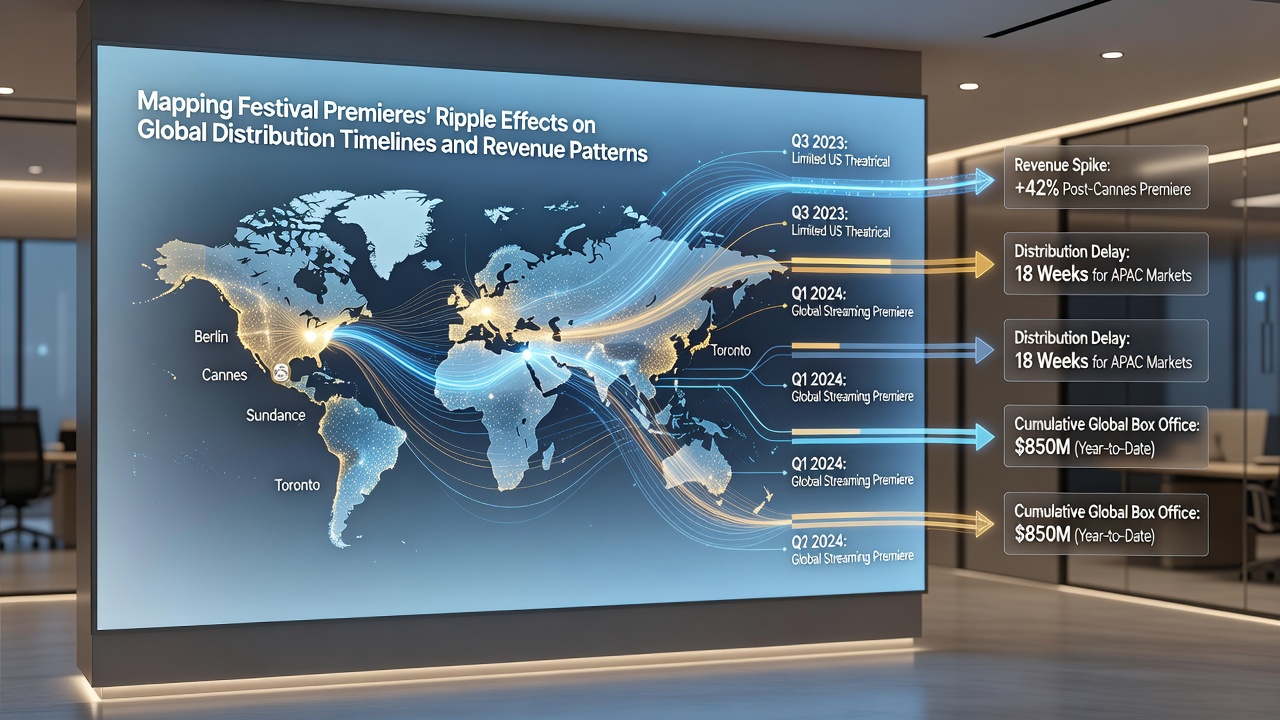
Those who've examined territorial earnings data note that ancillary revenue streams, including streaming licensing and home entertainment windows, also move earlier when festival acquisitions trigger accelerated theatrical schedules. Australian screen industry reports document cases where titles that premiered at Venice entered local streaming catalogs within five months of their festival debut, shortening the traditional gap between cinema and on-demand availability. This compression affects total revenue calculations because early streaming payments sometimes offset softer theatrical numbers in smaller markets.
Regional Variations in Response to Festival Signals
Market-specific responses vary considerably. Latin American distributors, according to regional trade data, tend to delay releases until after European and North American openings provide clearer performance benchmarks, whereas East Asian territories often move in tandem with North American dates when festival awards generate international press coverage. Canadian production statistics reveal that domestic titles screened at Toronto frequently secure earlier U.S. distribution deals, which then dictate compressed timelines for the rest of the English-speaking world. These coordinated patterns reduce the risk of piracy leakage between markets but can limit the total number of weeks a film remains in theaters overall.
Industry organizations tracking global earnings emphasize that festival-driven timeline changes also influence marketing budgets, with funds concentrated around the initial festival market rather than spread across multiple regional campaigns. This concentration produces sharper revenue peaks in the first two territories and more modest results in later markets, a pattern visible in quarterly earnings summaries released by major studio groups.
Conclusion
Patterns emerging from recent festival cycles demonstrate that premiere exposure directly informs both the speed and sequencing of global distribution decisions while reshaping the shape of revenue curves across theatrical and ancillary windows. Continued monitoring of territorial data will clarify how these adjustments evolve as streaming platforms and traditional exhibitors negotiate new release frameworks in response to festival outcomes.