Global Cinema Revenue Cycles Reveal New Audience Engagement Dynamics
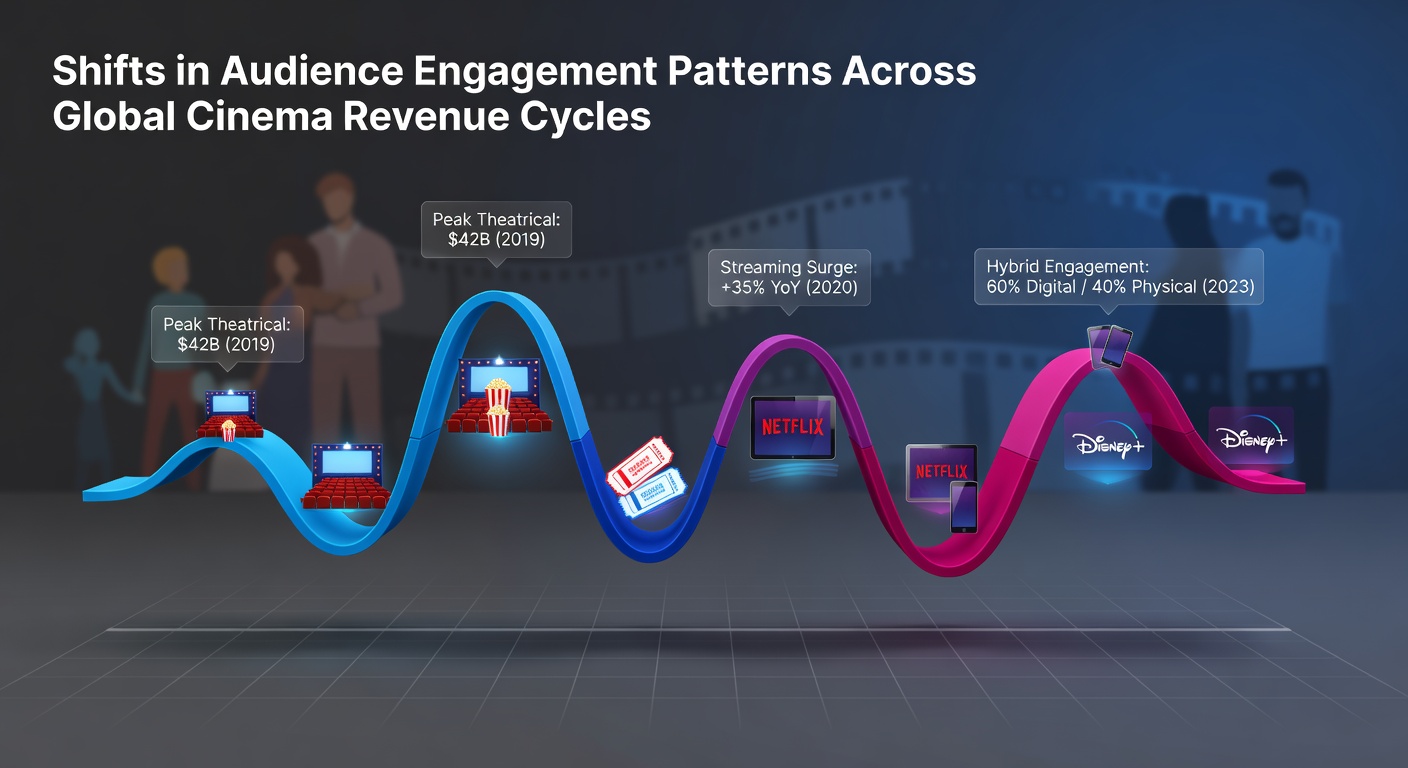
Global cinema revenue cycles have undergone measurable transformations in recent years as viewer behaviors adapt to technological advances, distribution changes, and economic pressures. Data collected from multiple markets shows that audiences now interact with films through shorter attention spans during initial release windows while extending engagement through secondary platforms long after theatrical runs conclude. Researchers tracking these patterns note that traditional peak seasons like summer and holiday periods continue to drive bulk earnings, yet the ways people discover and commit to specific titles have diversified considerably.
Key Drivers Behind Engagement Shifts
Streaming services and social platforms play central roles in how audiences first encounter films, which alters the revenue trajectory from opening weekend through extended earnings phases. According to reports from the Motion Picture Association, digital promotion now accounts for larger portions of marketing budgets across major studios, leading to earlier audience involvement before tickets go on sale. This pre-release interaction often determines whether a film sustains momentum or fades quickly after its debut, especially in competitive markets where multiple titles launch within days of each other.
Regional variations add further complexity to these cycles. In European territories, data from the European Audiovisual Observatory indicates that audiences in countries like France and Germany show stronger loyalty to locally produced content during slower revenue periods, whereas North American viewers respond more readily to franchise extensions. These differences create staggered revenue waves that studios must navigate when planning international rollouts, with some markets delivering consistent returns through word-of-mouth while others require heavy upfront investment to spark initial interest.
Impact of May 2026 Release Patterns
May 2026 brought particular attention to mid-year release strategies as studios tested new engagement models ahead of the typical summer surge. Observers tracking box office performance noted that films relying on extensive pre-release social campaigns achieved steadier audience retention rates compared to those depending solely on traditional trailers. This period highlighted how shorter-form content on platforms like TikTok and Instagram Reels influences younger demographics to commit to full theatrical experiences, while older viewers often wait for streaming availability before engaging at all.
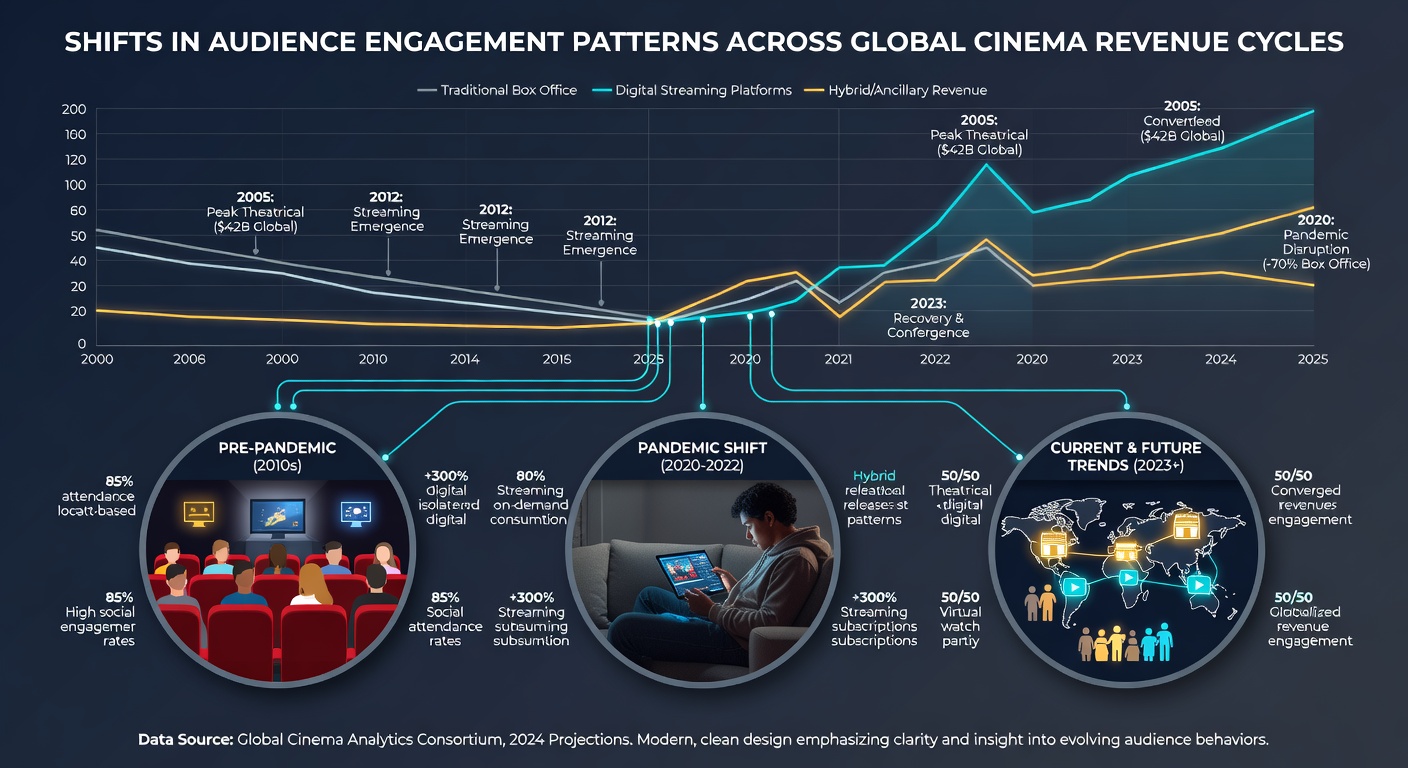
Box office figures from this timeframe also revealed that hybrid release approaches, combining limited theatrical windows with simultaneous premium video-on-demand options, produced distinct engagement curves. Audiences in urban centers maintained higher in-person attendance rates, whereas suburban and rural viewers shifted toward home viewing faster than in previous cycles. Industry analysts tracking these movements found that such patterns compressed the overall revenue lifecycle for many titles, requiring distributors to adjust expectations and marketing spend accordingly.
Long-Term Effects on Revenue Sustainability
Studies examining multi-year data sets demonstrate that sustained audience engagement now depends less on initial box office spikes and more on continued relevance through ancillary markets. Merchandise tie-ins, soundtrack releases, and expanded universe content keep interest alive well beyond the primary theatrical phase, creating additional revenue streams that offset shorter cinema runs. Those who've analyzed these trends point out that films with robust post-release ecosystems tend to generate more predictable returns across global cycles compared to standalone features.
Yet challenges persist as economic factors influence discretionary spending on entertainment. Inflationary pressures in several key markets have led some segments of the audience to prioritize value-driven choices, such as matinee pricing or subscription-based cinema passes. These adaptations reshape how revenue accumulates over time, with front-loaded earnings becoming less common and steadier, prolonged collection periods emerging instead.
Conclusion
Global cinema continues to reflect broader shifts in how people allocate time and money to filmed entertainment. Revenue cycles now incorporate multiple touchpoints that extend audience involvement far beyond single viewings, while regional preferences and digital tools further fragment traditional patterns. As distribution methods evolve and viewer habits adjust in response, the industry tracks these changes through detailed performance metrics that inform future planning across all major territories.