Platform Metrics Guiding Promotional Shifts for Major Film Releases
Written by Iris Hughes · Aug 22, 2026
Platform Metrics Guiding Promotional Shifts for Major Film Releases
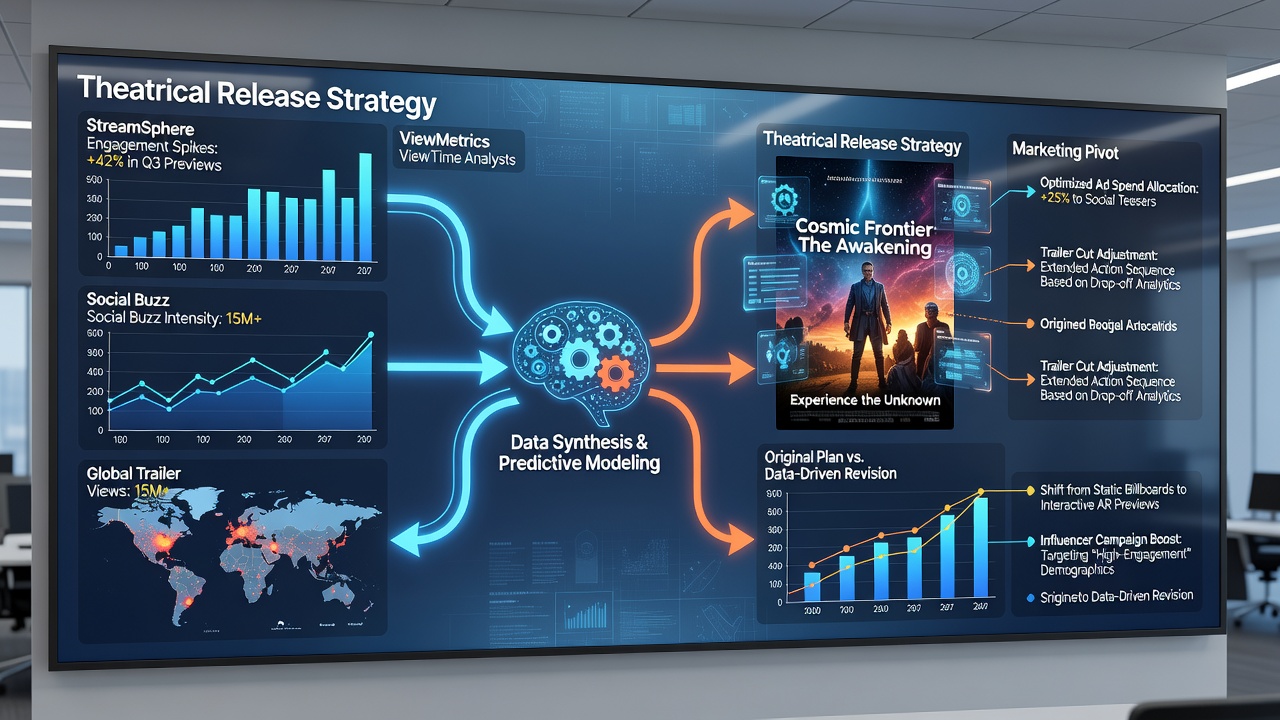
Digital platforms generate extensive viewer engagement data that studios and marketers monitor to refine campaigns ahead of theatrical launches, and this process has grown more systematic since the expansion of streaming services in the mid-2010s. Researchers at institutions such as the University of Southern California track how trailer views, social media interactions, and search trends correlate with box office projections, while marketing teams adjust spend and creative elements based on those patterns. Data from platforms including YouTube, TikTok, and Instagram often reveal audience segments that respond strongly to specific genres or talent, which allows campaigns to target those groups with tailored content before release dates approach.
Data Sources and Collection Methods
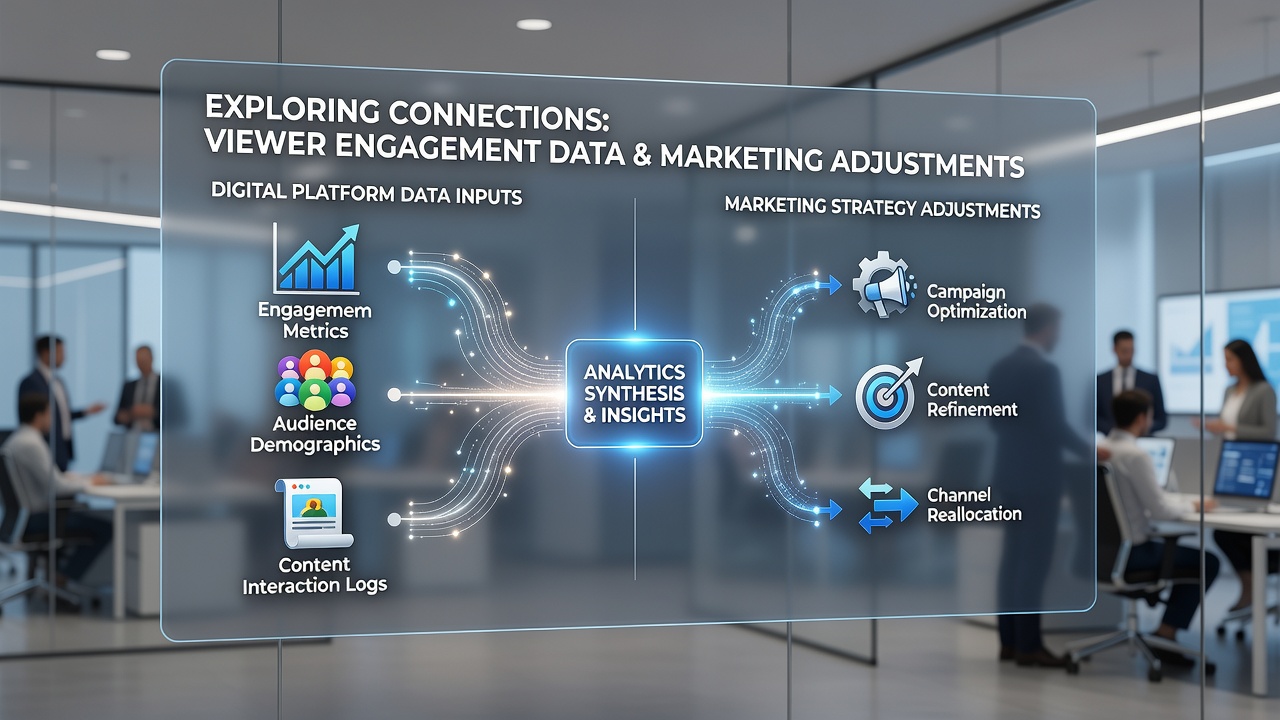
Viewer metrics arrive through multiple channels, and companies aggregate information from trailer completion rates, comment sentiment, and hashtag performance to build profiles of potential ticket buyers. According to reports from the European Audiovisual Observatory, European markets saw a 22 percent rise in data-driven adjustments to film promotions between 2023 and 2025, with similar trends appearing in North American campaigns. Analysts examine peak viewing times for teaser content and compare them against regional demographics, which helps identify where additional advertising dollars might yield higher returns in multiplex chains. Studios also incorporate search volume data from Google Trends and app store downloads of companion games or AR filters, creating a broader picture of interest levels weeks before opening weekends.
Adjustments in Campaign Tactics
When engagement spikes occur around particular cast members or plot elements, marketing departments shift resources toward those assets in subsequent ad buys and influencer partnerships. One campaign for a 2025 action release increased digital spot frequency in urban markets after platform data showed elevated shares among 18-to-34-year-olds, while reducing traditional television placements in the same period. Observers note that such pivots often happen in real time during the final six to eight weeks before release, when daily dashboards update overnight with fresh platform statistics. Teams further refine messaging by testing alternate poster designs or taglines on social channels, measuring click-through rates to decide which versions receive wider distribution across paid media.
August 2026 brought several high-profile examples where engagement signals prompted visible changes in outdoor and digital advertising. A science-fiction title originally scheduled for wide release saw its international trailer emphasis move toward visual effects sequences after overseas platform data indicated stronger reactions to those moments compared with character-driven clips. Marketers responded by reallocating budgets for out-of-home displays in key cities, and the revised approach coincided with sustained pre-sale activity tracked through theater chain apps.
Regional Variations and Market Responses
Campaign modifications differ across territories because viewer behavior on digital platforms varies by language preference and cultural context. Screen Australia research indicates that Australian audiences engage more readily with behind-the-scenes content on Instagram, prompting local teams to prioritize short-form video production for releases originating from U.S. studios. In contrast, Canadian data from industry groups show higher interaction with interactive map features tied to location-based storytelling, which has led some campaigns to develop region-specific mobile extensions. These localized tweaks occur alongside global strategies, creating layered approaches that balance centralized creative direction with market-specific execution.
Industry organizations such as the Motion Picture Association compile quarterly summaries that link engagement benchmarks to revenue outcomes, and those documents help studios benchmark their own performance against sector averages. When platform metrics fall below internal thresholds, teams may accelerate partnerships with podcasters or gaming influencers to stimulate conversation, whereas strong organic lift allows for reduced paid amplification. The result is a feedback loop where initial creative investments receive ongoing calibration rather than remaining fixed once approved.
Challenges in Measurement and Implementation
Attributing specific engagement spikes to particular marketing actions remains complex because multiple factors influence viewer behavior simultaneously. Platform algorithms change frequently, which can alter visibility of campaign content without warning, and external events such as major sports tournaments often compete for attention during summer release windows. Analysts therefore rely on multi-touch attribution models that incorporate both digital signals and traditional box office tracking to isolate the impact of adjustments. Training for marketing staff now includes modules on interpreting these datasets, and several major agencies have established dedicated analytics divisions to support film clients through the pre-release period.
Case examples illustrate the process in action. A 2024 ensemble comedy release experienced an uptick in trailer shares among female viewers aged 25 to 40 after platform data highlighted positive reactions to a supporting actress; the studio subsequently expanded that actress's presence in television spots and print materials. Another project, a period drama, shifted its primary hashtag strategy after monitoring revealed higher conversation volume around costume details than around the central romance, leading to increased focus on visual style in later promotional phases.
Conclusion
Connections between digital engagement data and theatrical marketing adjustments continue to evolve as platforms introduce new formats and measurement tools. Studios that integrate these signals into planning cycles demonstrate measurable differences in pre-release awareness metrics compared with those relying solely on historical patterns. The practice spans multiple territories and release scales, supported by research from academic centers and industry bodies that document both opportunities and constraints in real-world application. As August 2026 campaigns demonstrate, the integration of platform insights has become a standard component of promotional strategy for major releases worldwide.