Population Changes Across Developing Nations Redefine Studio Opening Weekend Forecasts
Written by Rafael Albrecht · Aug 15, 2026
Population Changes Across Developing Nations Redefine Studio Opening Weekend Forecasts
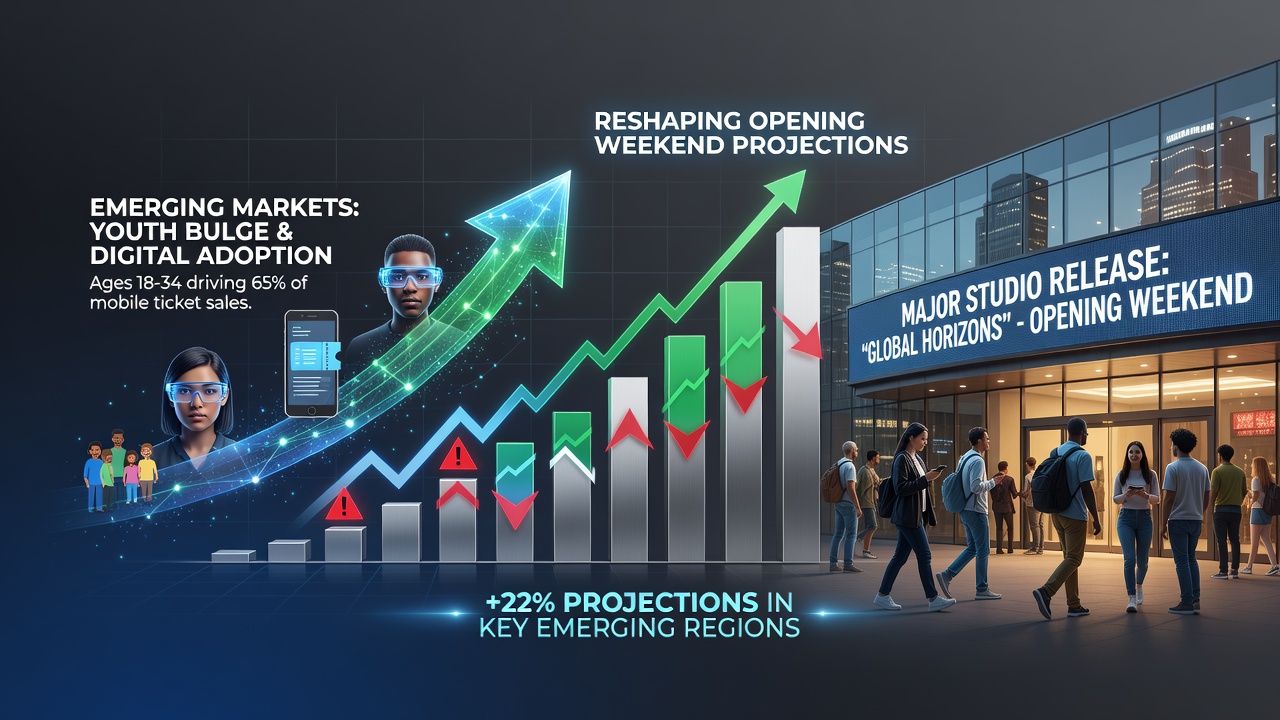
Population structures in emerging economies have undergone measurable transformations over the past decade, and these patterns now feed directly into the models studios use when calculating opening weekend revenue for major releases. Urbanization rates in countries such as India, Indonesia, and Nigeria continue to climb, while median ages remain lower than those recorded in established markets like Japan or Germany. Analysts track these variables because they alter both the size of the available audience and the preferred formats for first-week viewings.
Youth Cohorts and Genre Preferences in Key Territories
Younger demographic segments dominate consumer bases in several high-growth territories, and data collected by regional film boards show elevated engagement with action, animation, and franchise titles during debut weekends. In markets where more than 60 percent of the population falls under age 30, opening weekend figures for superhero films have risen steadily since 2022, according to reports compiled by the Motion Picture Association. Studios adjust projections upward when census updates confirm sustained growth in these age groups, because repeat viewings and social media amplification tend to concentrate in the first three days after release.
Conversely, territories experiencing gradual aging of their urban populations demonstrate steadier but slower initial uptake for the same titles. Researchers cross-reference household income brackets with age distributions to refine estimates, and the resulting adjustments appear in internal forecasting documents shared among distribution teams. One analysis of 2024 releases in Brazil illustrated how middle-income households with children under 18 drove nearly 45 percent of opening weekend ticket sales for animated features.
Urban Migration and Theater Infrastructure Expansion
Rapid urban migration has concentrated potential viewers near new multiplex developments in cities across Southeast Asia and sub-Saharan Africa. Construction records from 2023 through 2025 indicate that screen counts in tier-two cities of India increased by 18 percent, while similar expansions occurred in Nigeria and Vietnam. These additions extend the geographic reach of opening weekend campaigns, allowing distributors to project higher totals when demographic data confirm incoming population flows from rural districts. Government statistical agencies in these regions publish annual migration reports that studios incorporate into their models alongside historical box office curves.
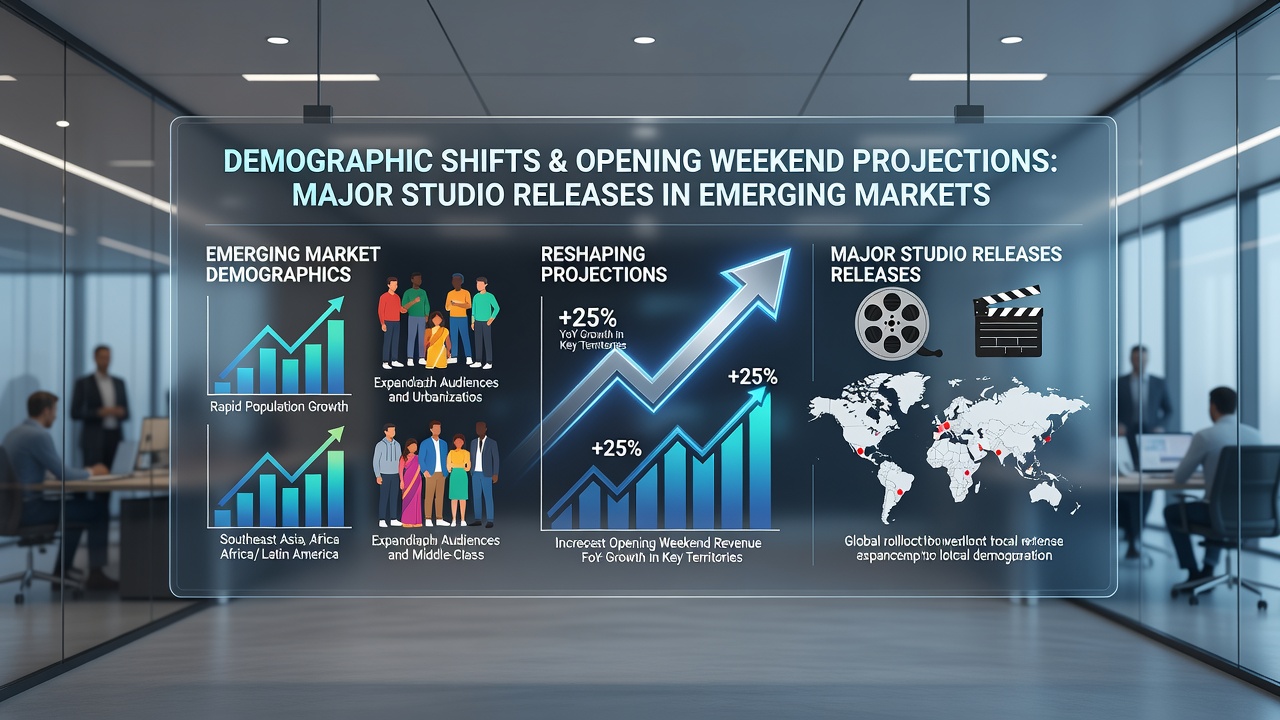
August 2026 projections for several major releases already factor in scheduled theater openings in secondary cities of Pakistan and Bangladesh. Preliminary figures released by local industry associations suggest that each new screen cluster can add between 3 and 7 percent to national opening weekend totals when paired with targeted marketing in high-density neighborhoods. Distributors therefore monitor census updates and infrastructure timelines simultaneously to avoid underestimating first-week performance.
Digital Access Patterns and Theatrical Window Adjustments
Smartphone penetration among younger cohorts in emerging markets has altered how audiences discover and decide on theatrical outings. Surveys conducted by regional telecommunications regulators show that over 75 percent of urban residents aged 18 to 29 in Indonesia and the Philippines encounter film trailers primarily through short-form video platforms. This discovery channel compresses the traditional marketing window, prompting studios to front-load promotional spend in the 10 days preceding release. Consequently, opening weekend projections now embed assumptions about digital reach metrics alongside traditional television and outdoor advertising data.
Streaming service adoption rates further influence the length of the exclusive theatrical window in certain territories. Where household broadband subscriptions remain below 40 percent, theatrical releases retain stronger opening momentum because alternative viewing options lag. Industry reports from the Asia-Pacific region document cases where shortened windows in more connected markets led to measurable drops in opening weekend attendance for mid-tier titles, prompting recalibration of forecasts for 2025 and 2026 slates.
Income Growth and Premium Format Adoption
Rising disposable incomes in select emerging economies have accelerated uptake of premium large-format screenings and 3D presentations during opening weekends. Central bank economic indicators from Mexico and South Africa record consistent year-over-year increases in entertainment spending among households earning above the median wage. These spending patterns translate into higher per-ticket revenue, which studios integrate into models by weighting premium screen availability against demographic income distributions. Data from 2024 releases indicate that premium formats accounted for up to 35 percent of opening weekend gross in markets where real wage growth exceeded 4 percent annually.
Conclusion
Demographic shifts continue to supply measurable inputs for opening weekend projection models as studios refine their approach to emerging territories. Population age structures, migration flows, digital discovery habits, adn income trajectories each contribute distinct variables that alter expected first-week totals. Industry participants incorporate updated census figures, infrastructure timelines, and consumer spending reports to maintain accuracy across successive release cycles, ensuring forecasts reflect the evolving composition of global audiences.