Regional Release Strategies and Their Influence on Sustained Revenue in Global Cinema Markets
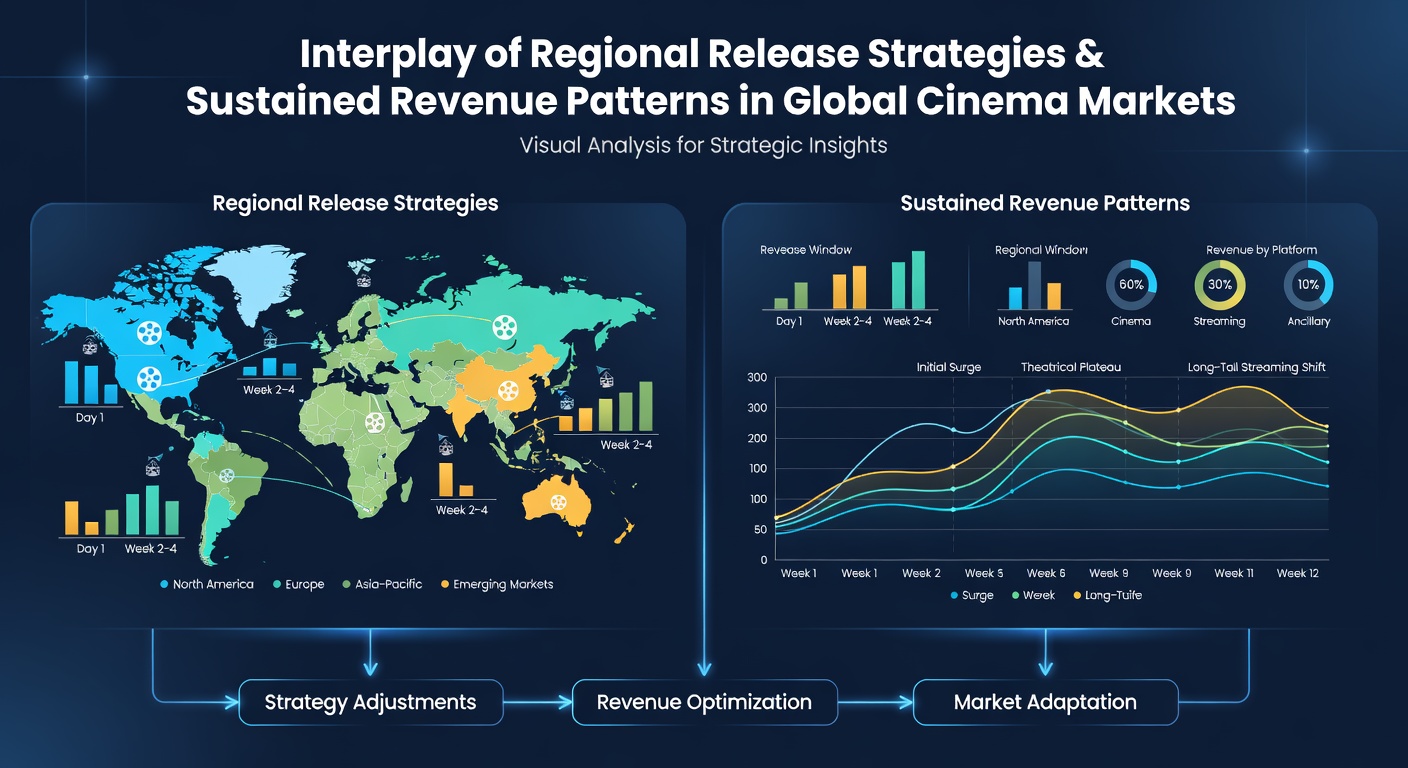
Studios coordinate theatrical openings across continents with careful timing that balances local market conditions against broader financial goals, and observers note how these decisions often determine whether earnings taper quickly or continue accumulating over months. Research from the European Audiovisual Observatory shows staggered windows in Europe frequently extend a film's lifespan by aligning with school holidays or avoiding direct competition from local productions, while simultaneous launches in multiple territories can accelerate initial spikes yet risk faster drop-offs when audience interest saturates everywhere at once.
Mapping Release Windows Across Key Territories
Distributors examine audience data from the United States, Japan, India, and Latin American countries before finalizing calendars, and data shows that films opening first in North America often use those results to refine marketing in subsequent regions. A title debuting in March might reach Asian markets two weeks later, allowing word-of-mouth to build momentum without overlapping major local festivals, whereas a June slot in the US frequently coincides with European summer breaks to maximize family attendance. Those patterns create ripple effects, because a strong opening in one zone supplies promotional fuel for later territories through social sharing and news coverage.
Revenue Longevity and Market-Specific Adjustments
Long-term income depends on how well initial performance translates into sustained play in secondary markets, and figures from industry reports indicate that action-heavy blockbusters tend to hold screens longer in Asia where visual effects travel well across language barriers. Comedy and drama titles, by contrast, sometimes receive adjusted release dates in regions with strong local dubbing industries so they can compete more effectively against domestic releases. Studios track weekly drops in ticket sales per territory, then decide whether to add screens, launch re-releases, or accelerate streaming windows based on those regional curves rather than global averages alone.
Case Examples from Recent Seasons
Take one major franchise sequel that opened wide in the US during late April 2025 before rolling out across Australia and New Zealand the following month. Observers noted the strategy allowed holiday timing in the southern hemisphere to capture additional family audiences who had already seen early reviews online. Another international co-production chose limited festival premieres in Europe first, then expanded into North American arthouse circuits three weeks later, and researchers found this approach produced steadier per-screen averages over a ten-week run compared with titles that launched everywhere simultaneously. Such choices illustrate how regional sequencing can flatten or extend revenue arcs depending on cultural fit and competitive landscape.
Digital and Ancillary Windows Extending the Cycle
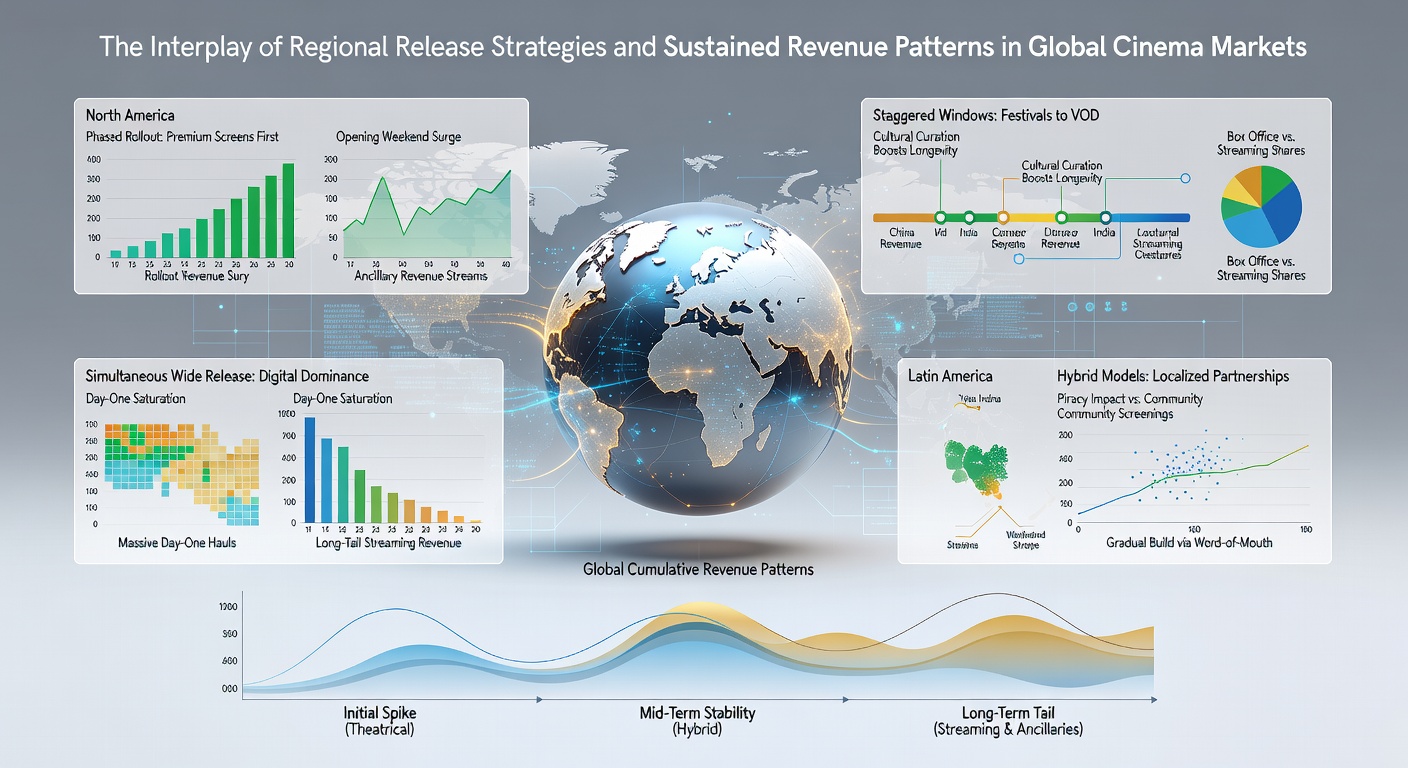
Once theatrical runs conclude in primary markets, home entertainment and streaming rights activate on schedules that vary by territory, and evidence suggests these later windows can recapture audiences who missed the cinema phase or want repeat viewings. Platforms in South Korea and Brazil often receive content months after US availability, which preserves premium pricing in those regions while theatrical holdovers continue earning in slower territories. Analysts track how day-and-date experiments during 2026 releases, including several titles slated for May premieres, test whether earlier streaming access cannibalizes or complements overall totals when regional theatrical performance differs widely.
Challenges from Local Competition and Regulatory Timing
Quota systems in China and content regulations in parts of the Middle East force distributors to adjust calendars around approval processes that can shift by several weeks, and those delays sometimes position films against unexpected local hits that erode potential earnings. Producers therefore build flexibility into schedules so they can pivot opening dates when regulatory timelines change, preserving the chance for sustained play rather than forcing a rushed launch. Data collected across multiple years reveals that titles with built-in buffer periods maintain higher cumulative grosses in quota-restricted markets than those locked into rigid global rollouts.
Conclusion
Regional release strategies continue shaping how long films generate income by matching distribution timing to local rhythms, audience habits, and competitive conditions around the world. Patterns observed through 2025 and into planned 2026 slates demonstrate that staggered approaches often produce more durable revenue streams than simultaneous worldwide openings when markets differ in holiday calendars, content preferences, and regulatory environments. Distributors who monitor territory-specific performance data and adjust subsequent windows accordingly tend to see steadier accumulation across both theatrical and ancillary channels, underscoring the ongoing value of localized planning in an industry that spans diverse cultures and economic cycles.