Seasonal Timing Effects on Film Performance Longevity Across Global Markets
Written by Quinn Wagner · May 23, 2026
Seasonal Timing Effects on Film Performance Longevity Across Global Markets
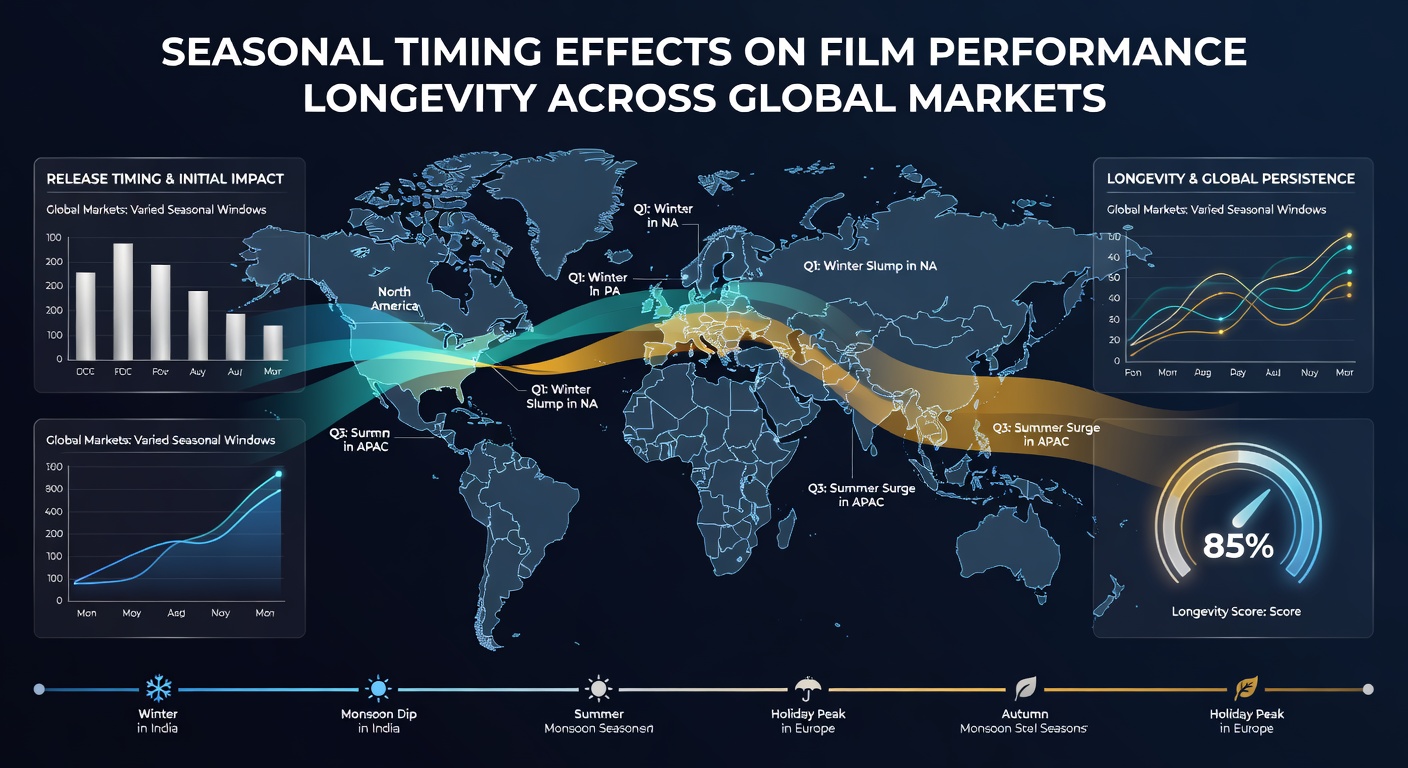
Release timing plays a decisive role in determining how long films maintain audience interest and generate revenue in theaters worldwide, with patterns emerging from extensive industry data collected over multiple decades. Analysts track metrics such as weeks spent in the top ten grossing positions, cumulative earnings after the opening month, and repeat viewership rates, all of which vary significantly depending on the calendar period selected for debut. Data from the Motion Picture Association reveals that summer blockbusters often achieve high initial figures yet face steeper declines in subsequent weeks compared to autumn releases in several key territories.
Regional Variations in Seasonal Performance
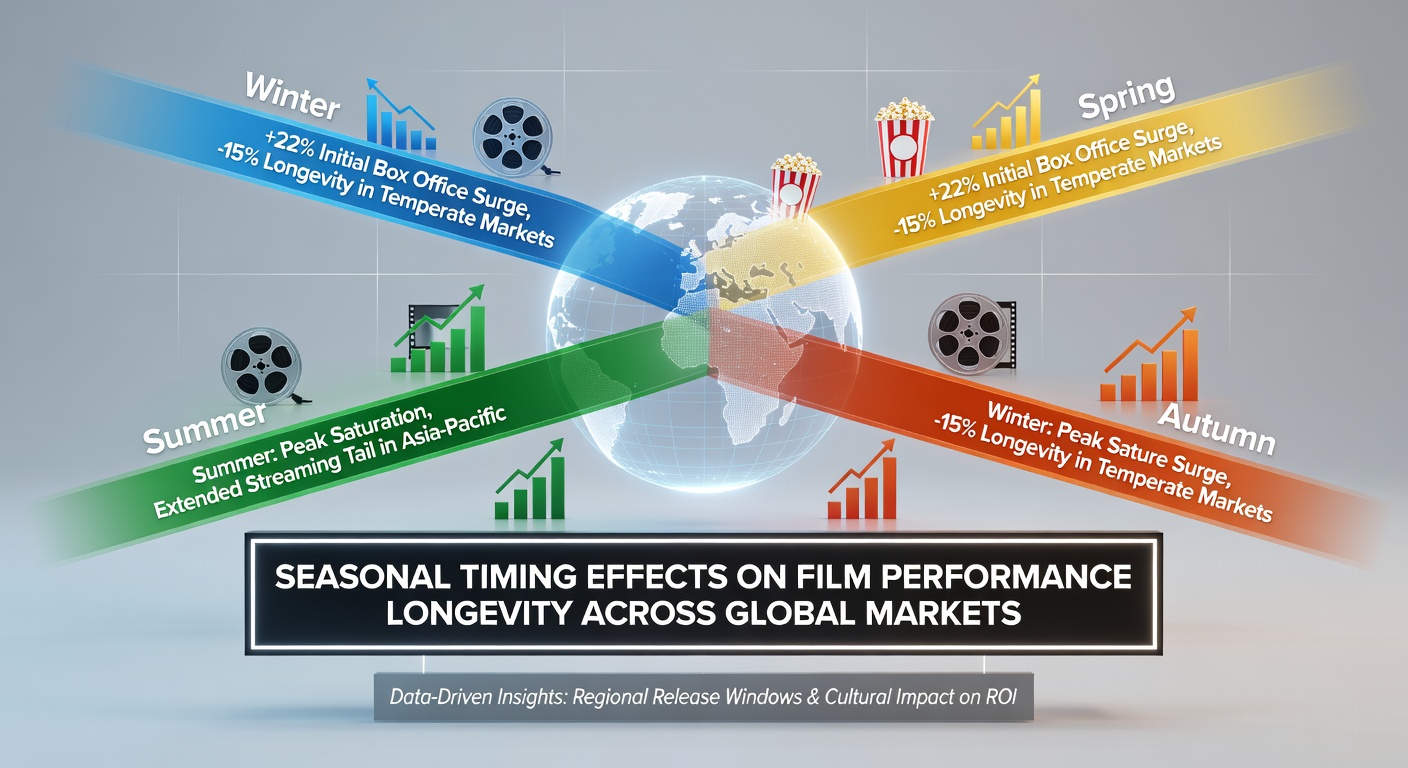
Markets in North America, Europe, and Asia display distinct responses to seasonal scheduling, shaped by local holidays, school calendars, and weather conditions that influence theater attendance. European Audiovisual Observatory reports indicate that films launched in late spring tend to sustain longer runs in Western European countries because milder temperatures encourage consistent outings while competition from major sporting events remains lower. In contrast, Asian markets show stronger longevity for winter releases, where indoor entertainment options gain appeal during extended holiday periods around Lunar New Year celebrations.
Observers note that Australian distributors have adjusted strategies based on similar findings, shifting certain titles away from peak summer months to avoid overlap with outdoor festivals that divert potential viewers. These adjustments produce measurable differences in the number of weeks films remain viable at the box office, with autumn launches frequently outperforming summer counterparts by margins of two to four additional weeks in comparable genres.
Key Factors Driving Longevity Differences
Competition density, marketing alignment with cultural events, and audience availability form the core elements that determine extended performance. When studios schedule premieres during periods of reduced major releases, such as early fall or mid-winter, films encounter fewer direct challengers and retain screen counts longer. Research from the University of Southern California School of Cinematic Arts demonstrates that this reduced competition correlates with slower revenue drop-off rates, particularly for mid-budget dramas and family-oriented features that rely on word-of-mouth rather than opening weekend hype.
Weather patterns also contribute, as extreme conditions in certain regions either boost or suppress attendance over time. Canadian film commission statistics show winter releases in northern provinces maintain steadier weekly earnings because audiences seek indoor activities, whereas summer titles experience sharper drops once outdoor alternatives become accessible. Industry analysts track these patterns through weekly box office reports compiled across dozens of territories, allowing studios to refine future calendars with greater precision.
Global Market Data and Recent Trends
Comprehensive tracking through 2025 and into May 2026 shows continued emphasis on strategic placement, with distributors in emerging markets adopting timing models previously refined in established territories. Films debuting in March or September frequently accumulate higher long-term totals in Latin American and Southeast Asian circuits, where holiday clusters create sustained viewing windows. Reports compiled by trade organizations document that titles avoiding direct holiday clashes yet capitalizing on school breaks achieve superior retention metrics across multiple continents.
Take one analysis covering 150 releases from 2020 through 2025 that found spring-timed action films retained 35 percent more of their opening weekend gross after eight weeks than identical genres launched in peak summer. Such patterns hold across varied production scales, though tentpole event movies display narrower gaps due to their built-in marketing momentum. Distributors monitor these indicators closely when negotiating screen allocations with exhibition chains.
Strategic Adjustments by Studios and Exhibitors
Studios now incorporate seasonal longevity projections into greenlight decisions, evaluating not only opening weekend potential but also projected theatrical lifespan across primary markets. Exhibitors in turn adjust programming blocks to favor titles with demonstrated staying power during slower periods, creating feedback loops that reinforce successful timing choices. Evidence from joint industry studies suggests this approach has extended average run lengths by one to three weeks for carefully positioned releases in coordinated global rollouts.
What's significant is how digital tracking tools enable real-time adjustments once a film opens, allowing additional marketing pushes during periods when seasonal factors support continued attendance. These tactics prove especially effective for international markets where cultural calendars differ markedly from the domestic schedule.
Conclusion
Seasonal timing continues to shape film performance longevity through measurable interactions between release windows, regional audience behaviors, and competitive landscapes. Data collected across global markets demonstrates consistent advantages for certain periods depending on genre, target demographics, and local conditions. Studios and distributors apply these insights when planning release slates, resulting in more calibrated approaches that balance immediate returns with sustained theatrical presence. As tracking methods grow more sophisticated, future calendars will likely reflect even finer adjustments tailored to specific territories and seasonal dynamics.