Shifting Viewer Preferences and Their Effect on Mid-Season Film Distribution Patterns Across Platforms
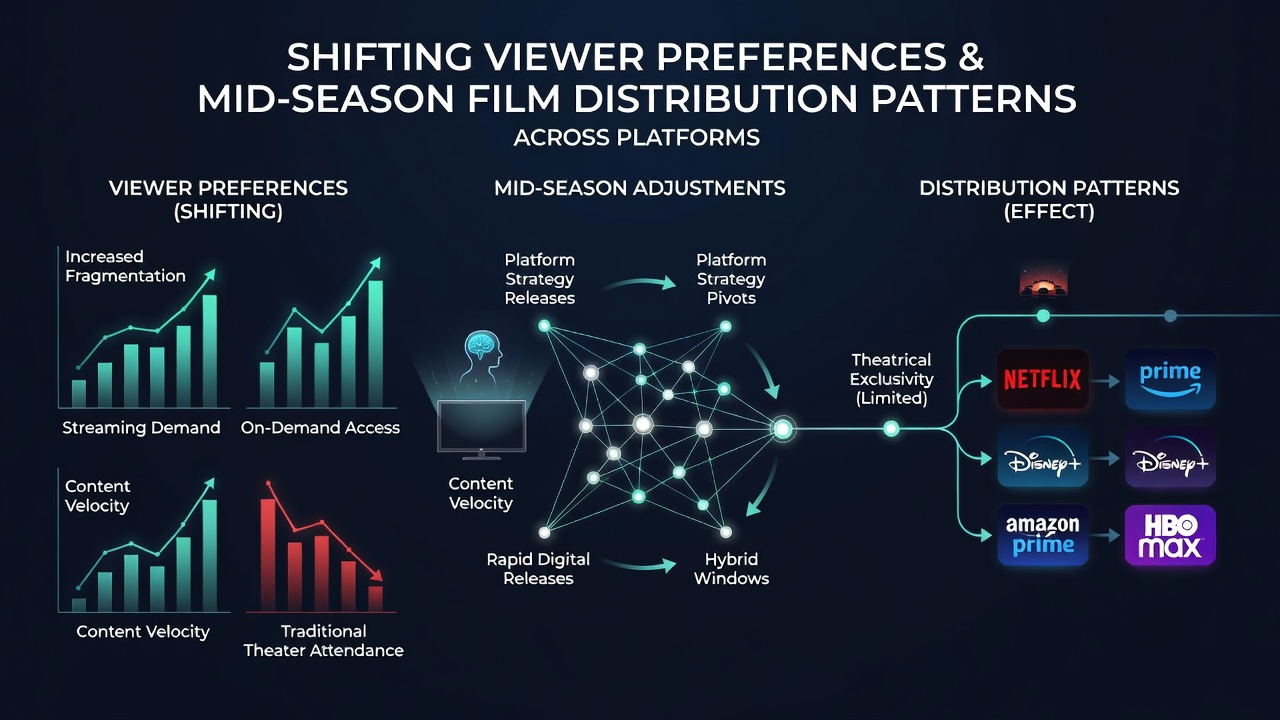
Viewer habits have moved steadily toward on-demand access, and this change has reshaped how studios schedule mid-season releases across theaters, streaming services, and hybrid windows. Data from multiple tracking firms shows that audiences in 2025 increasingly selected shorter commitment formats, which in turn prompted distributors to adjust release cadences between May and August when traditional summer blockbusters once dominated.
Viewer Behavior Trends Documented Through 2025
Industry reports indicate that weekly cinema attendance during non-holiday periods declined by roughly 12 percent compared with 2023 figures, while subscription video-on-demand hours rose in the same window. Researchers at the University of California, Los Angeles tracked these patterns through anonymized device data and found that viewers aged 18-34 completed full features on streaming platforms 2.4 times more often than they purchased theater tickets for comparable titles. Those figures align with broader measurements released by teh European Audiovisual Observatory, which recorded a 9 percent increase in mid-year streaming debuts across member states between 2024 and 2025.
Studios responded by shortening the exclusive theatrical window for select mid-budget films from 45 days to as little as 21 days. This adjustment allowed titles to reach secondary platforms while social media conversation remained active, a strategy observers note has become common for dramas and comedies that lack event-level marketing budgets.
Distribution Adjustments in Mid-Season Windows
June 2026 saw several distributors test simultaneous or near-simultaneous releases on streaming and premium video-on-demand in select territories. One major studio moved a science-fiction sequel from its planned July theatrical date to a June 12 streaming premiere paired with a limited cinema run in 18 major markets. Ticket sales in those markets met internal projections, yet the title generated 68 percent of its first-month revenue through digital transactions according to internal studio metrics shared with trade outlets.
Platform algorithms also influenced scheduling. Services prioritize titles that maintain viewer completion rates above 70 percent within the first 72 hours of availability. Because mid-season releases often compete with established catalog content, distributors began front-loading marketing spend in teh two weeks before launch rather than spreading campaigns across four to six weeks. This front-loading produced measurable lifts in opening weekend engagement but required tighter coordination between creative, marketing, and data teams.
Platform-Specific Responses and Revenue Allocation
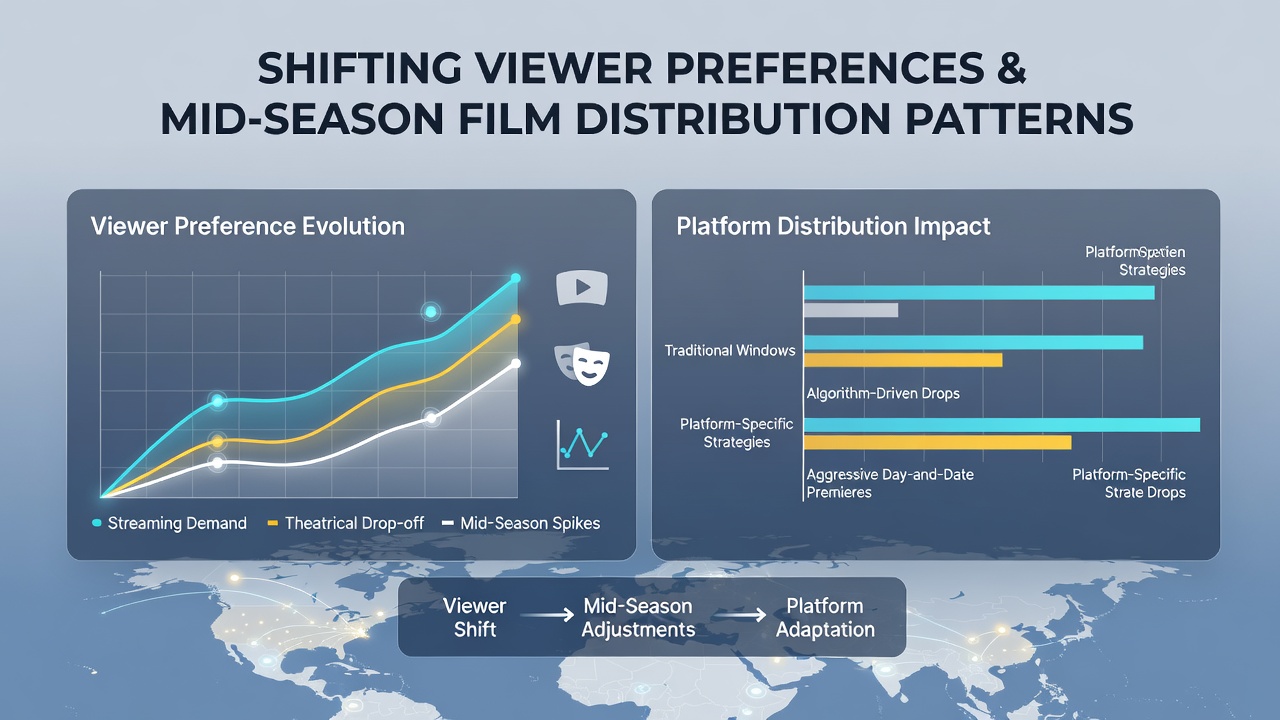
Theatrical chains have introduced dynamic pricing for mid-season titles, lowering average ticket costs on weekdays to compete with subscription models. In Canada, several circuits reported a 15 percent rise in weekday attendance for non-franchise films after implementing these tiers. Meanwhile, streaming services have expanded their use of interactive recommendation carousels that surface mid-season acquisitions within personalized rows, a tactic that increases discovery without additional promotional spend.
Revenue splits have shifted accordingly. A study published by the Australian Film Commission in early 2026 documented that hybrid release models now allocate approximately 55 percent of total earnings to digital platforms within the first 90 days, compared with 40 percent in 2022 models. The remaining share continues to support theatrical partners, yet the proportion reflects audience migration rather than negotiated concessions.
Case Examples from Recent Releases
Take one science-fiction drama that launched in late May 2025. The film opened on 1,800 screens domestically and simultaneously on a major streaming service outside North America. Completion rates on the platform reached 74 percent in the first week, prompting the distributor to expand the international streaming footprint two weeks earlier than originally planned. Theater chains in those territories retained exclusivity for an additional 14 days, illustrating how data feedback loops now drive real-time window adjustments.
Another example involves a comedy sequel released exclusively on a subscription platform in June 2025 after underwhelming presales. The title accumulated 42 million viewing hours in its opening month, according to the service's public engagement report, and later secured a limited theatrical run in drive-in venues during July. This reversal of the traditional sequence demonstrates how performance metrics can override initial distribution plans.
Conclusion
Patterns observed through mid-2026 indicate that viewer preference for flexible access continues to compress traditional release calendars. Distributors now rely on granular performance data to determine whether a title remains in theaters, moves to streaming, or occupies both spaces simultaneously. As measurement tools improve and audience cohorts fragment further, mid-season scheduling will likely become even more responsive to real-time engagement signals rather than fixed seasonal templates.