Shifts in Viewer Preferences Toward Ensemble Cast Dynamics in Ensemble-Driven Action Sequences
Written by Elena Powell · Aug 1, 2026
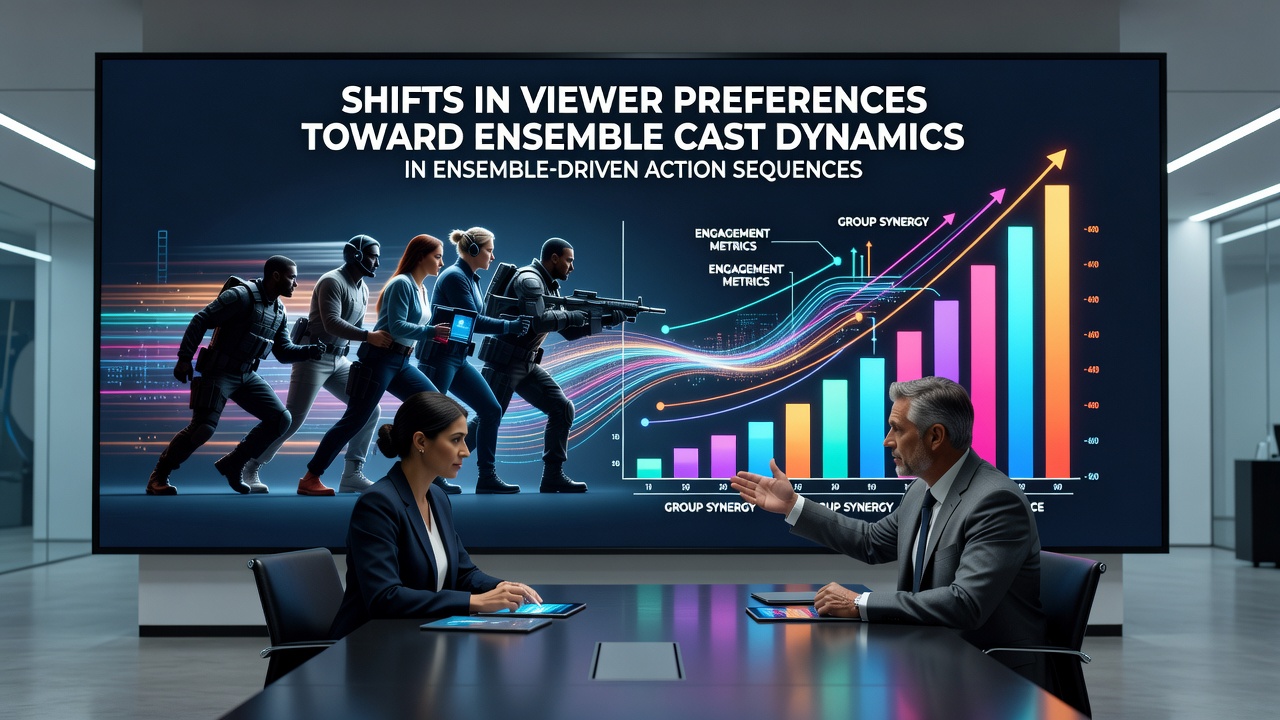
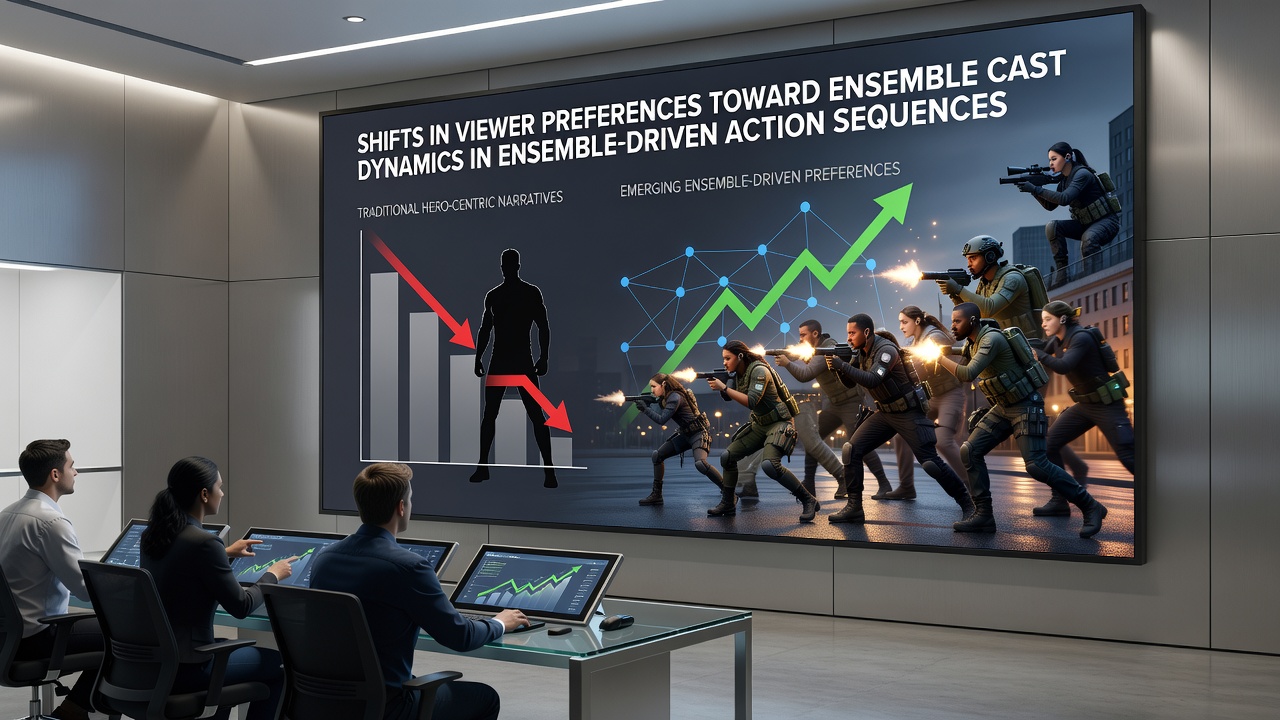
Shifts in Viewer Preferences Toward Ensemble Cast Dynamics in Ensemble-Driven Action Sequences
Viewer preferences have moved steadily toward films that feature multiple protagonists sharing screen time during complex action sequences, and data from industry tracking services shows this pattern emerging across major releases since the early 2020s. Studios responded by adjusting script structures so that fight choreography and set pieces revolve around group coordination rather than single-hero spotlights. According to figures released by the European Audiovisual Observatory, productions with four or more lead characters in key action beats captured higher repeat-viewing rates in European markets through 2025.
Historical Context of Ensemble Action Storytelling
Action cinema long relied on lone protagonists, yet ensemble formats appeared in earlier decades through heist films and war epics where teams executed synchronized maneuvers. Those earlier examples established templates that contemporary directors refined with modern visual effects, allowing simultaneous character arcs to unfold amid gunfire exchanges and vehicle pursuits. Researchers at the University of Melbourne documented how audience retention metrics improved when secondary characters received distinct combat roles instead of serving as simple backup.
Data Patterns in Recent Releases
Box office reports compiled through mid-2026 reveal that ensemble-driven sequences correlate with stronger opening weekends in multiple territories. In August 2026, several titles built around coordinated team dynamics posted domestic earnings that exceeded projections by margins ranging from 18 to 27 percent. Tracking services noted elevated social media engagement when viewers discussed specific character pairings during chase scenes or multi-angle fight set pieces. These metrics prompted distributors to allocate larger marketing budgets toward clips that highlighted group interactions rather than isolated hero moments.
Production Adjustments and Technical Considerations
Directors and stunt coordinators adapted blocking techniques to accommodate larger casts on set, using extended takes that captured overlapping movements across multiple performers. Cinematographers employed wider lenses and drone coverage to maintain spatial clarity during these sequences, reducing the need for rapid cutting that once isolated individual fighters. Costume and prop departments coordinated color palettes and weapon designs so audiences could track each character quickly amid fast-paced exchanges. Industry reports from Screen Australia indicate that pre-visualization software usage rose sharply on ensemble projects to map out spatial relationships before principal photography began.
Regional Market Variations
Asian markets demonstrated particularly strong responses to ensemble formats, with viewers in South Korea and Japan favoring titles where supporting characters executed signature moves that complemented the leads. North American audiences showed parallel interest, though data highlighted greater emphasis on banter and interpersonal dynamics between team members during downtime between action beats. European territories recorded consistent performance across both subtitled and dubbed versions, suggesting that visual clarity in group choreography translated effectively regardless of language. Canadian production incentives encouraged several projects to incorporate regional talent into ensemble lineups, further diversifying cast compositions.
Viewer Engagement Metrics
Streaming platforms reported that completion rates for ensemble action titles remained higher when users could select character-specific commentary tracks or behind-the-scenes featurettes focused on group training sequences. Social analytics firms tracked increased clip-sharing activity around moments where multiple characters converged on a single objective. These patterns prompted platforms to adjust recommendation algorithms so that similar ensemble-heavy content surfaced more prominently in user queues. Academic papers from the University of Toronto examined how narrative investment in several protagonists reduced viewer drop-off during extended set pieces that lasted beyond traditional two-minute durations.
Conclusion
Industry data continues to reflect sustained interest in films that distribute action responsibilities across ensemble casts, with production pipelines and distribution strategies evolving accordingly. Metrics gathered through 2026 demonstrate measurable differences in engagement and revenue when sequences emphasize collective problem-solving over singular heroics. Observers note that these shifts have influenced casting calls, stunt planning, and post-production editing workflows across multiple studios and regions.