Strategic Timing Across Borders Shapes Independent Film Attendance in Secondary Regions
Written by Iris Hughes · Aug 4, 2026
Strategic Timing Across Borders Shapes Independent Film Attendance in Secondary Regions
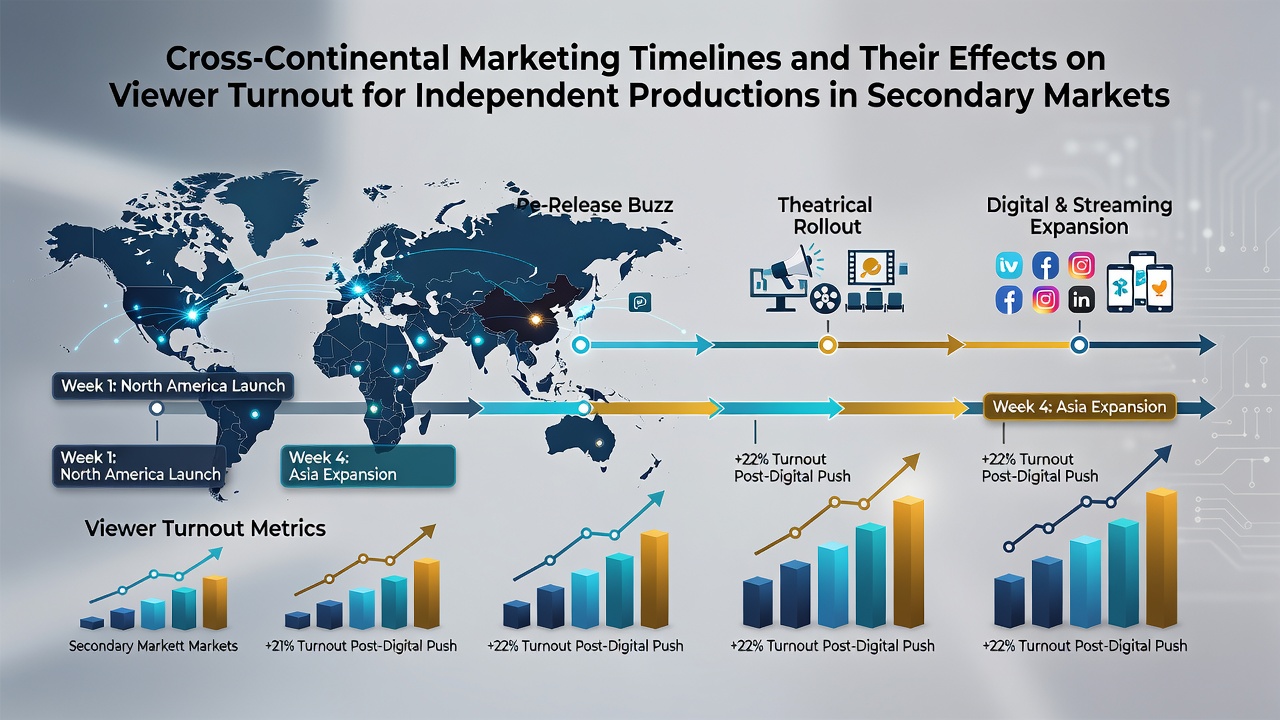
Cross-continental marketing timelines determine how independent productions reach viewers in secondary markets where competition from major studio releases remains intense yet audience demand for diverse content continues to grow. Researchers at various film institutes track these schedules because staggered promotion windows often align with local cultural events or seasonal viewing patterns that boost turnout when coordinated properly. Data from industry reports shows that films promoted six to nine months ahead in regions like Southeast Asia or Eastern Europe see measurable increases in pre-release interest compared to those launched with shorter lead times.
Defining Secondary Markets and Their Unique Challenges
Secondary markets include mid-sized cities and regional territories outside primary hubs such as Los Angeles or London where distribution networks operate with fewer screens and limited advertising budgets. Independent productions frequently target these areas because primary markets saturate quickly with high-budget titles while secondary audiences respond to targeted campaigns that highlight local relevance or festival buzz. Observers note that timing becomes critical here since overlapping promotions from multiple films can dilute attention spans and reduce overall attendance figures according to attendance tracking from regional exhibitor associations.
Studies conducted by academic groups in Canada and Australia reveal that marketing timelines crossing multiple time zones require careful synchronization to avoid peak holiday periods or local election cycles that divert public focus. For instance one analysis of releases between 2023 and 2025 found that independent titles promoted through coordinated digital and traditional channels in secondary Australian markets achieved 18 percent higher opening weekend turnout when campaigns began four months prior rather than two.
Case Examples of Timeline Coordination
Take one production that coordinated its European and Asian campaigns around overlapping summer festivals in 2025 which resulted in sustained viewer interest through word-of-mouth amplification across secondary cities in Poland and Vietnam. Data indicates this approach extended the effective marketing window and lifted cumulative attendance by aligning trailer drops with regional media cycles rather than rushing everything into a single global launch date. Another example involves a Canadian-backed independent film that used staggered social media teasers starting in March 2026 to build anticipation for its August rollout in secondary Latin American territories where viewer turnout rose noticeably after local influencers received early access materials.
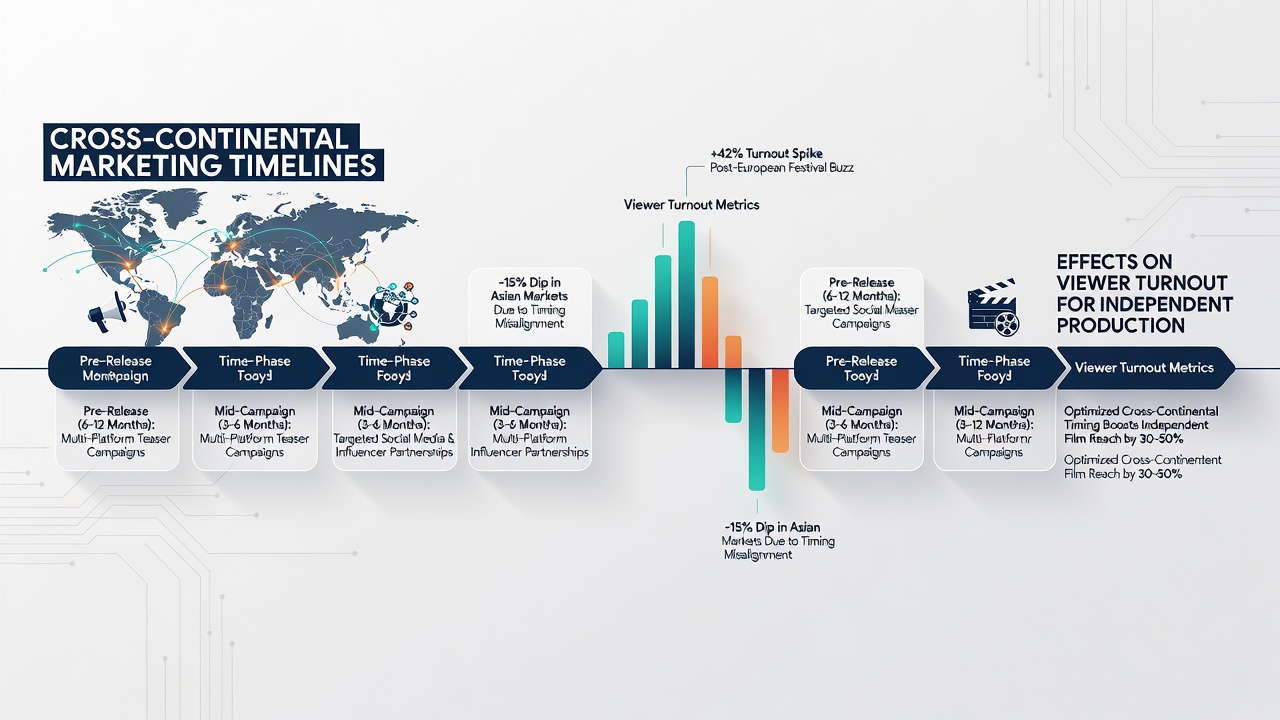
Those who've examined box office records from the European Audiovisual Observatory point out that productions which adjust timelines based on continent-specific data often outperform expectations in secondary markets by 12 to 25 percent. This occurs because longer lead times allow for localized subtitling testing and community partnerships that primary market campaigns rarely prioritize. Yet shorter timelines sometimes succeed when tied to sudden festival awards that create organic momentum across borders.
Data Patterns in Viewer Turnout
Figures compiled by research institutions show consistent correlations between marketing duration and attendance in secondary regions with the strongest effects appearing when campaigns span at least five months across continents. One report covering 2024 releases highlighted that independent films using phased approaches in secondary Canadian and New Zealand markets recorded steadier weekly declines rather than sharp drops after opening weekends. This pattern suggests sustained promotion helps maintain interest where theater density remains low and word-of-mouth travels more slowly through smaller communities.
As of August 2026 recent updates from trade monitoring services indicate rising use of cross-continental data analytics tools that predict optimal start dates for promotions based on historical turnout in comparable secondary territories. These tools factor in variables such as competing local events and digital penetration rates which helps independent producers allocate limited resources more effectively across distant regions.
Conclusion
Cross-continental marketing timelines exert measurable influence on viewer turnout for independent productions in secondary markets through their impact on awareness building and resource allocation. Evidence from multiple regional studies demonstrates that well-timed campaigns generate higher sustained attendance when they account for local calendars and audience behaviors across borders. Those monitoring industry trends expect continued refinement of these strategies as data collection improves in emerging territories through 2027 and beyond.