Subtitle Adaptation Strategies Shape Global Box Office Results for Non-English Language Films
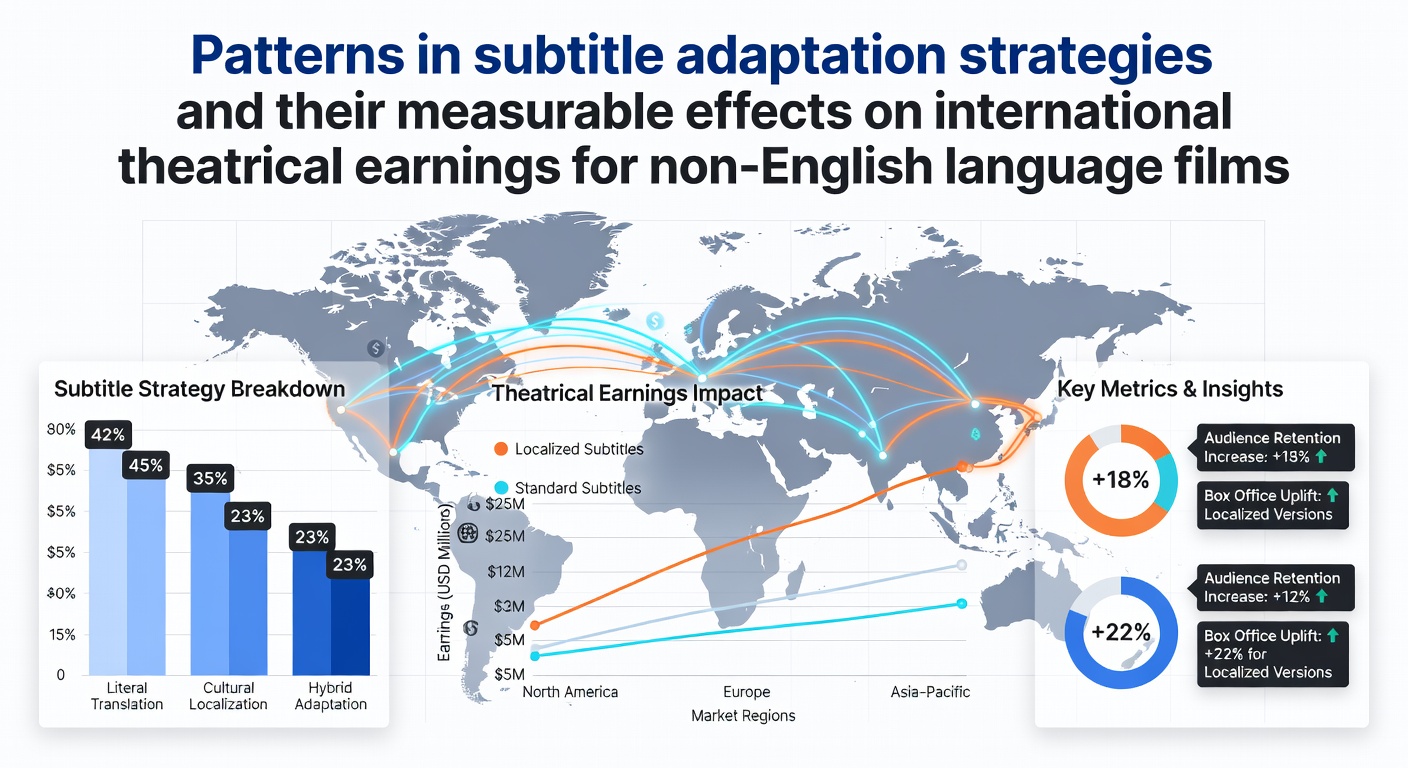
Subtitle adaptation strategies have evolved considerably as non-English language films seek wider theatrical distribution across diverse markets, and researchers track specific patterns in how these choices correlate with revenue outcomes. Data compiled from multiple distribution cycles shows that decisions around literal translation versus cultural localization often align with measurable differences in international earnings, particularly when films from regions like Europe, Asia, and Latin America expand beyond domestic audiences.
Patterns emerge in timing adjustments, where subtitles appear on screen for durations that match reading speeds in target languages, and in length reductions that prioritize key dialogue over full verbatim renderings. Studies from film distribution analyses indicate these adjustments appear more frequently in releases that achieve stronger per-screen averages in secondary markets, whereas direct word-for-word approaches sometimes correlate with flatter performance curves after opening weekends.
Observed Patterns Across Major Release Cycles
Industry tracking reveals recurring approaches in subtitle handling for films that cross language barriers. One pattern involves selective omission of idiomatic expressions that lack direct equivalents, replaced instead by concise phrases that preserve narrative momentum. Another centers on synchronization tweaks that align text display with on-screen action beats, which observers note occurs more consistently in titles distributed through larger international networks.
According to reports from the European Audiovisual Observatory, films employing adaptive subtitle frameworks during 2024 and 2025 releases demonstrated varied earnings trajectories when compared against those using minimal intervention methods. These frameworks often incorporate regional dialect considerations for markets such as Australia and Canada, where localized phrasing contributes to audience retention metrics tracked by exhibitors.
Measurable Effects on International Earnings
Quantitative reviews of theatrical data link certain adaptation tactics to shifts in box office performance. Films that apply streamlined subtitle pacing, for instance, show evidence of sustained attendance in multiplex settings across multiple territories, while those retaining denser text blocks occasionally experience steeper drop-offs after initial weeks. Revenue figures from coordinated global rollouts highlight how these choices intersect with marketing spend and screen allocation decisions made by distributors.
Research compiled through academic partnerships at institutions in multiple countries points to correlations between subtitle readability scores and average ticket sales per venue. In cases where adaptation teams adjusted for cultural references specific to target audiences, earnings data reflected steadier holds in later weeks of release. This pattern holds across genres ranging from drama to animated features originating outside English-dominant production centers.
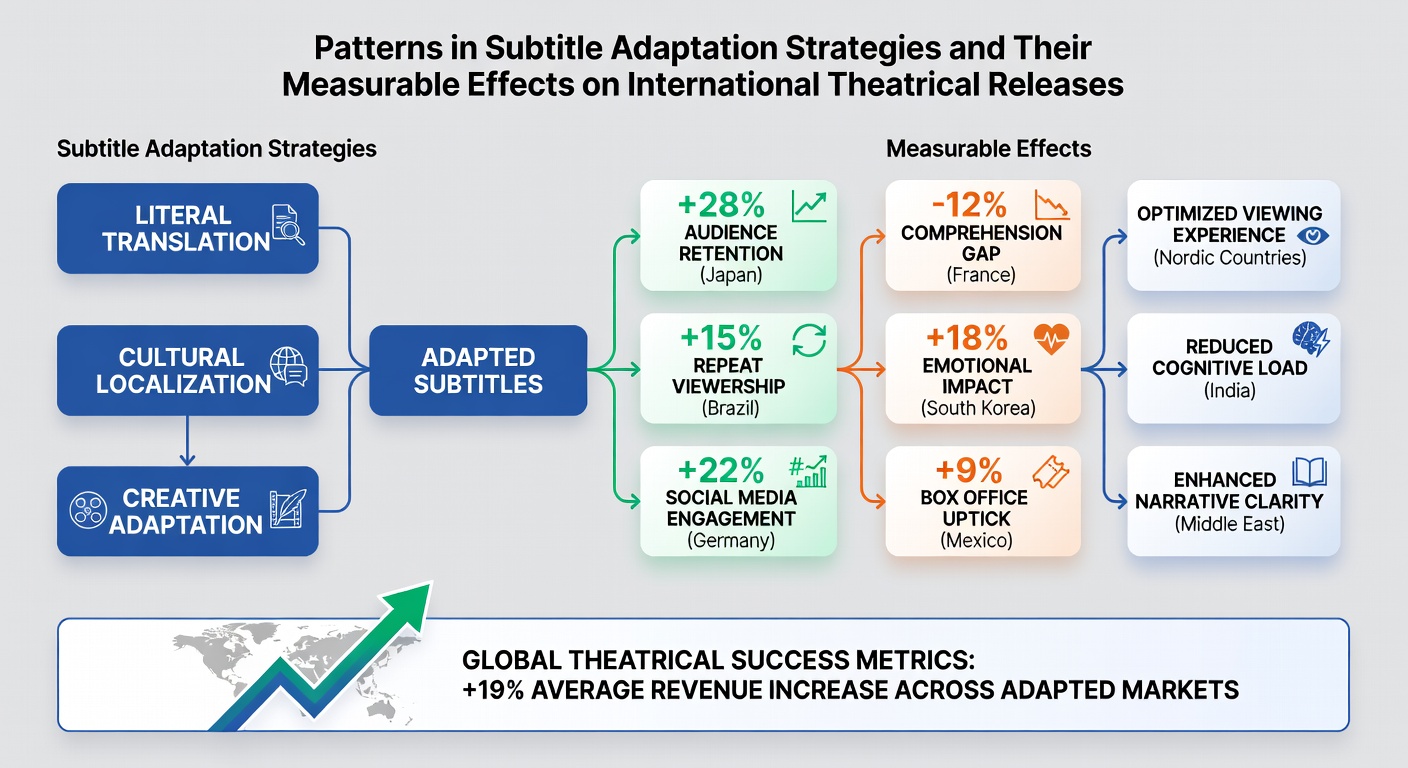
June 2026 projections from distribution analytics suggest continued emphasis on these strategies as more non-English titles secure wide releases. Early indicators from festival-to-theatrical pipelines show that adaptation investments at the subtitle stage frequently precede stronger opening numbers in key territories, though outcomes remain tied to overall production quality and promotional alignment.
Regional Variations in Application
Adaptation practices differ by originating market and destination. European productions often prioritize fidelity to source dialogue when entering North American circuits, whereas Asian titles sometimes favor broader localization when expanding into Latin American circuits. Figures released by trade monitoring bodies illustrate how these regional preferences map onto distinct earnings profiles, with localized versions posting higher cumulative totals in select cases tracked through 2025.
Cross-border distribution records further indicate that subtitle teams working with input from local linguists achieve alignment with audience expectations that supports extended runs. This approach appears in multiple documented expansions where earnings stability improved relative to baseline projections derived from domestic performance alone.
Conclusion
Patterns in subtitle adaptation continue to intersect with earnings data for non-English language films in ways that distribution professionals monitor closely. Evidence from ongoing theatrical cycles demonstrates connections between specific strategies and performance indicators across international markets, providing a basis for future planning as global cinema networks expand.