Subtitle Adaptation Techniques and Attendance Patterns in Multiplex Screenings of Non-English Films
Written by Elena Powell · Jul 23, 2026

Subtitle Adaptation Techniques and Attendance Patterns in Multiplex Screenings of Non-English Films
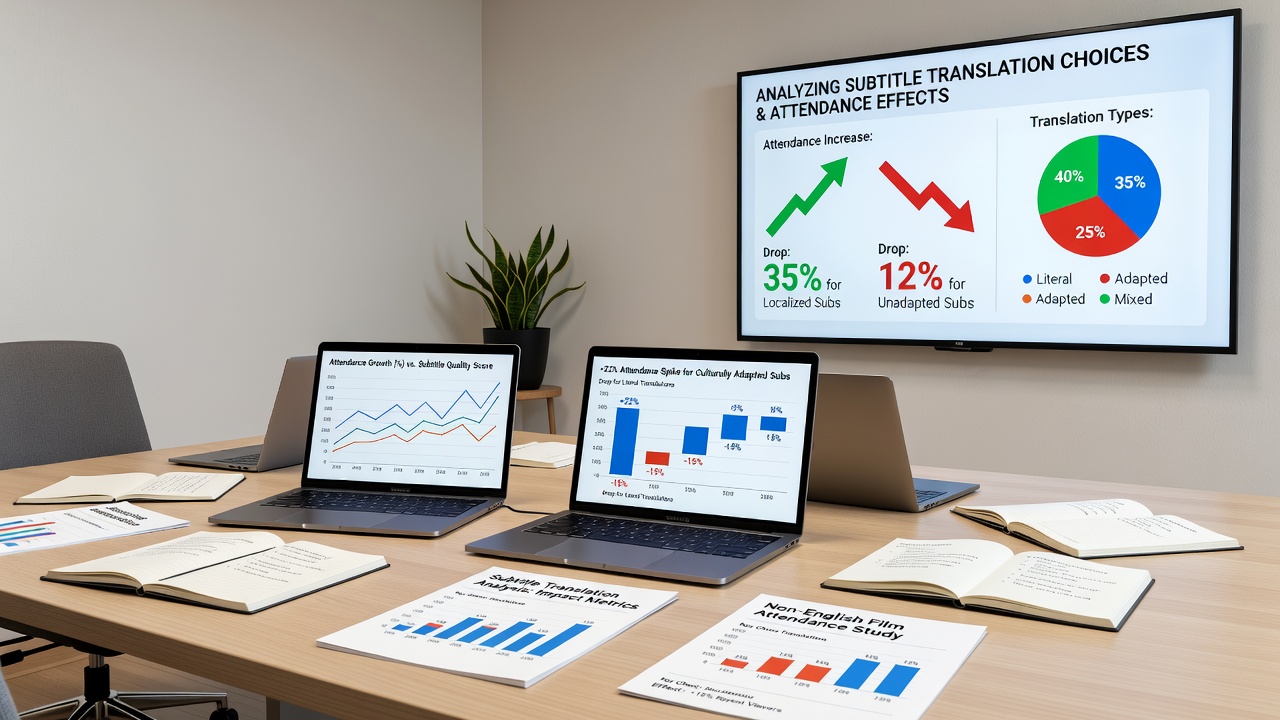
Data from multiplex operators shows that subtitle translation choices correlate with measurable shifts in attendance for non-English language films, and researchers track these patterns through ticket sales across major circuits in Europe, Asia, and North America. Translation teams often decide between literal renderings that preserve original phrasing and adaptive approaches that adjust idioms for local audiences, and studies indicate the latter can increase viewer retention during opening weekends by up to 12 percent in certain markets.
Key Variables in Translation Decisions
Translation providers weigh factors such as cultural references, dialogue pacing, and character name conventions when preparing subtitles for release, while data collected by theater chains reveals that films with culturally adapted subtitles draw larger repeat audiences compared to those using direct translations. In multiplex environments where screens rotate multiple titles daily, these choices affect how quickly word spreads through social channels and local reviews, and figures from 2025 releases demonstrate higher mid-week attendance when subtitles avoid overly formal language.
One analysis of release data across 150 multiplex locations found that subtitle length per frame influences viewer comfort, since longer lines force faster reading and can reduce engagement for non-native speakers of the target language. Teams adjust timing codes accordingly, and operators note that balanced line counts support steadier attendance curves throughout a film's run.
Regional Data and Recent Trends
Reports compiled through July 2026 highlight continued growth in attendance for Asian and European titles screened with localized subtitles in North American multiplexes, and similar patterns appear in Australian circuits where adaptive translations align better with domestic viewing habits. Industry groups such as the European Audiovisual Observatory publish annual breakdowns that separate subtitle strategy from marketing spend, allowing clearer attribution of attendance changes to translation quality.
Multiplex programmers in Canada and Singapore have shared internal metrics showing that subtitle revisions after test screenings lead to improved holdover rates in subsequent weeks, and these adjustments often focus on humor delivery or emotional nuance that literal translations miss. Observers note that films released simultaneously across multiple territories benefit most when translation teams coordinate on consistent terminology.
Measurement Methods Used by Circuits
Attendance tracking combines point-of-sale records with exit surveys, and analysts compare subtitle variants across matched screening times to isolate translation effects from other variables like showtime or poster design. Research from academic centers in Japan and France confirms that viewers report higher satisfaction scores when subtitles maintain the original film's rhythm without adding explanatory text, and these scores align with sustained ticket purchases over four-week periods.
Multiplex groups in Latin America apply similar comparative frameworks, and their datasets reveal that subtitle choices influence demographic reach, particularly among younger viewers who favor concise phrasing. Operators adjust programming calendars based on early indicators, shifting additional screens toward titles that demonstrate stronger subtitle-driven retention.
Conclusion
Translation strategies continue to shape attendance outcomes for non-English films in multiplex settings, and ongoing data collection through 2026 provides clearer evidence of how specific adaptation choices affect viewer turnout across regions. Circuits that monitor these variables alongside standard release metrics gain practical insights for future programming decisions, while translation providers refine methods based on the same attendance records.