Tracing Viewer Transitions Across Blockbuster Spectacles and Independent Festival Landscapes

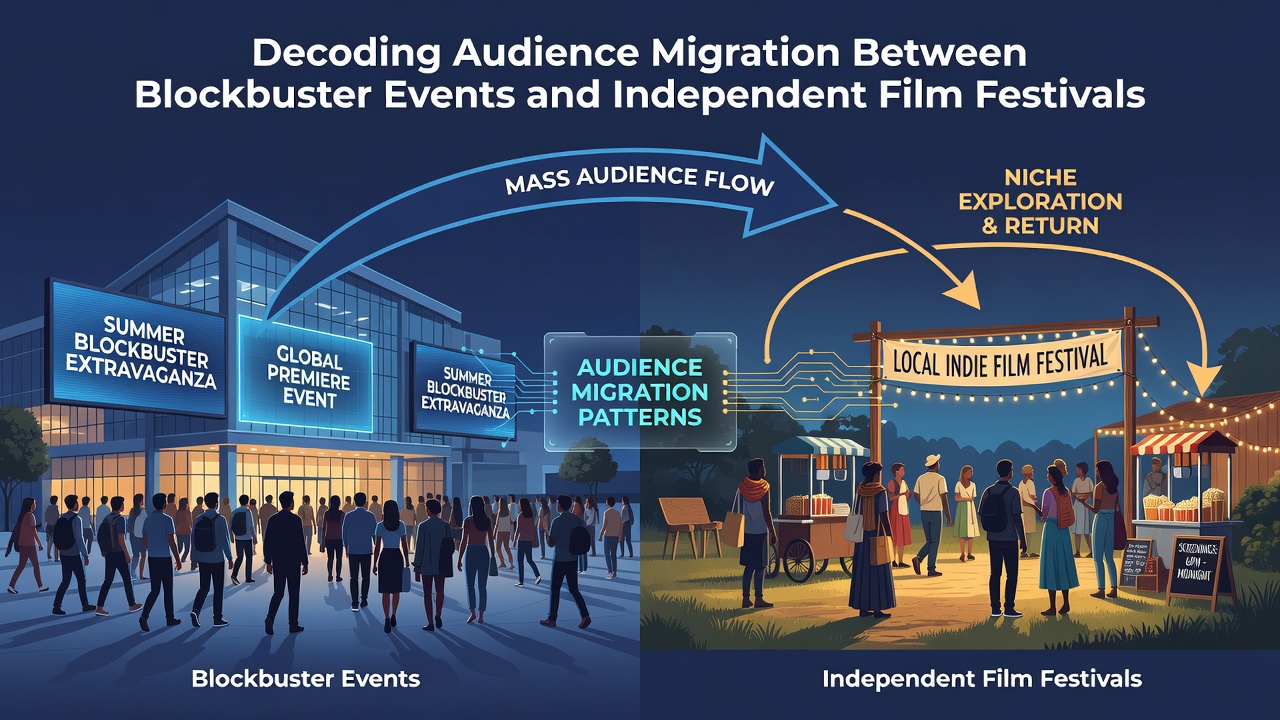
Patterns in cinema attendance reveal consistent shifts where viewers move between large-scale blockbuster launches and smaller independent film gatherings, with data tracking these movements across multiple regions and seasons. Research from the European Audiovisual Observatory indicates that theatrical releases of major studio productions often draw initial crowds while festival circuits capture later segments of the same demographic groups seeking specialized content.
Blockbuster events typically feature wide releases supported by extensive marketing campaigns that generate high opening weekend figures, whereas independent festivals operate on curated selections that emphasize artistic or niche storytelling. Figures compiled by the Motion Picture Association show that global box office for tentpole titles reached peaks in summer months, yet attendance at events like Sundance and Cannes maintained steady participation rates during overlapping periods.
Key Drivers Behind Attendance Shifts
Multiple factors influence how audiences allocate their viewing time between these formats, including release timing, platform availability, and content preferences documented in industry reports. Data from the Australian Screen Association highlights that viewers who attend opening nights of franchise films frequently return to festival screenings within the same calendar year for contrasting experiences, and this sequence repeats across different markets.
Digital distribution plays a role here as well, since streaming windows for blockbusters sometimes coincide with festival premieres that remain exclusive to physical venues initially. Observers at the Toronto International Film Festival have noted increased cross-attendance where ticket holders for major summer releases later purchase passes for autumn events, creating measurable overlaps in participant lists.
Regional Variations in July 2026
As July 2026 unfolds, European and North American circuits prepare simultaneous programming that captures both mainstream and specialized audiences. The Karlovy Vary International Film Festival schedule aligns with several studio tentpole launches, and preliminary registration numbers suggest sustained interest from overlapping viewer bases.
Canadian data from Telefilm Canada reveals similar trends where prairie province residents travel to urban festivals after consuming summer blockbusters in local multiplexes, and this movement contributes to diversified revenue streams for smaller venues. Studies conducted by university researchers in the United States further confirm that demographic segments aged 25 to 40 demonstrate the highest rates of dual participation in both event types during peak seasons.
Measurement Methods and Supporting Evidence
Tracking tools employed by research institutions combine box office records with festival accreditation data to quantify migration volumes, and these approaches yield reliable indicators of viewer behavior. Reports issued by the European Audiovisual Observatory link specific title releases to subsequent festival inquiries, showing that certain genres prompt stronger transitions than others.
Survey instruments distributed at venues capture self-reported attendance histories, while anonymized ticketing analytics provide objective confirmation of repeat visits across event categories. One analysis from an academic consortium found that approximately 18 percent of blockbuster attendees in sampled markets also registered for at least one independent festival screening within six months, and comparable ratios appeared in follow-up datasets collected two years later.
Content Categories That Facilitate Movement
Genre boundaries sometimes blur during these transitions, as action-driven blockbusters coexist with documentary or drama-focused festival entries that attract shared viewers. Industry compilations demonstrate that science fiction and thriller enthusiasts frequently bridge both worlds, moving from large-format screenings to intimate question-and-answer sessions at festivals.
Programming decisions by festival organizers often incorporate audience feedback from prior blockbuster cycles, resulting in lineups that reflect demonstrated preferences. This alignment appears in scheduling patterns where post-summer festivals feature titles that complement rather than compete with studio output.
Conclusion
Comprehensive records from multiple sources establish that audience migration between blockbuster events and independent film festivals follows identifiable pathways shaped by timing, content variety, and regional infrastructure. Continued collection of attendance metrics through 2026 will further clarify the scale and consistency of these movements across global markets.