Viewer Migration Trends in Horror Following Streaming Debuts
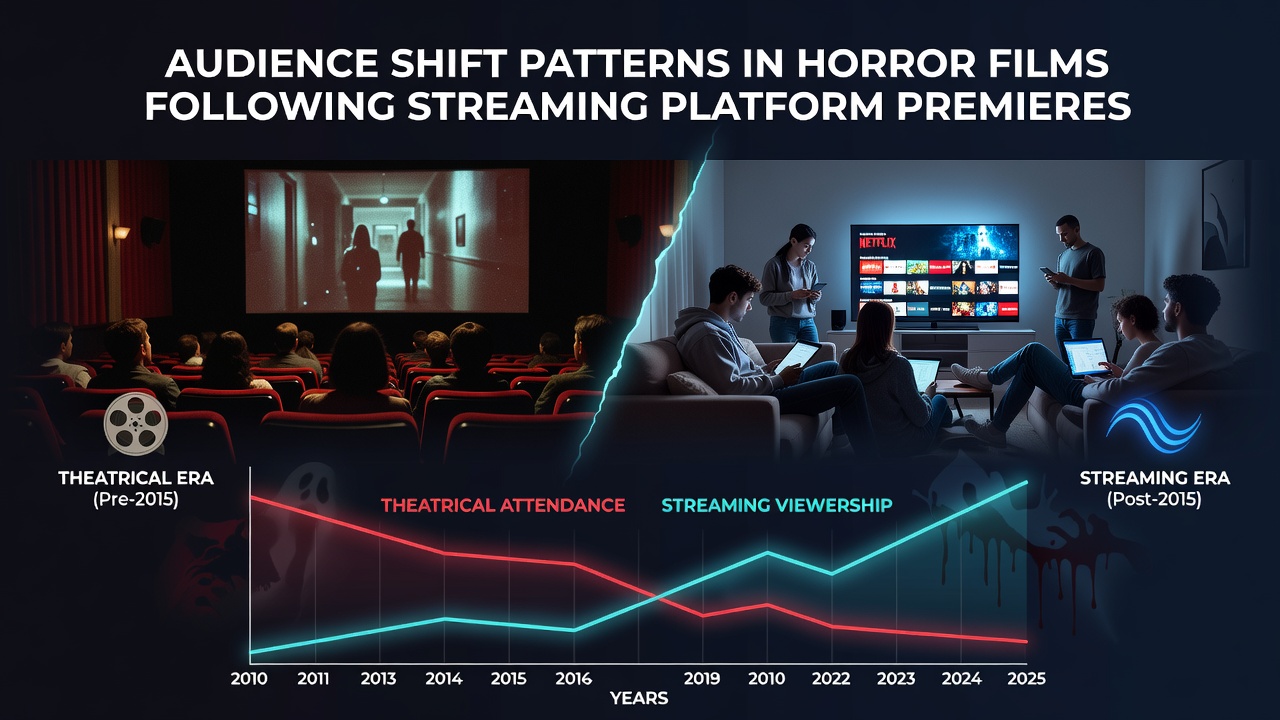
Streaming platforms have altered how horror films reach viewers since many titles now launch directly on services rather than through traditional theatrical windows, and researchers tracking these releases note consistent patterns in who watches and when engagement peaks. Data from multiple platforms indicates that horror content often draws initial surges from domestic subscribers within the first 48 hours, followed by gradual international expansion over subsequent weeks, while demographic breakdowns reveal younger cohorts driving repeat views and older segments contributing to longer session times.
Initial Release Metrics and Platform Data
Figures from 2024 through mid-2026 show horror titles premiering on major streamers achieving 60 to 80 percent of their total viewership within the opening month, according to aggregated reports compiled by the European Audiovisual Observatory. These numbers contrast with earlier theatrical-first models where box office receipts determined later availability, yet the shift has produced measurable changes in audience composition. One study released by the University of Southern California in early 2026 documented a 22 percent rise in viewers aged 18 to 34 for horror premieres compared with similar films that received cinema runs before streaming.
Platform algorithms play a role in these patterns because recommendation engines prioritize genre familiarity, which pushes horror catalogs toward users who previously engaged with related thrillers or supernatural series. July 2026 saw several services update their analytics dashboards to highlight this clustering effect, revealing that users who started one horror title completed an average of 2.3 additional entries within the same week.
Geographic and Demographic Transitions
Audience origins shift noticeably after the premiere window opens, with North American accounts accounting for the majority of day-one hours watched, while European and Asian regions contribute increasing shares as subtitles and dubbing options activate. Evidence from platform transparency reports points to Latin American markets sustaining elevated engagement rates through the second and third months, often exceeding initial domestic totals when adjusted for population size.
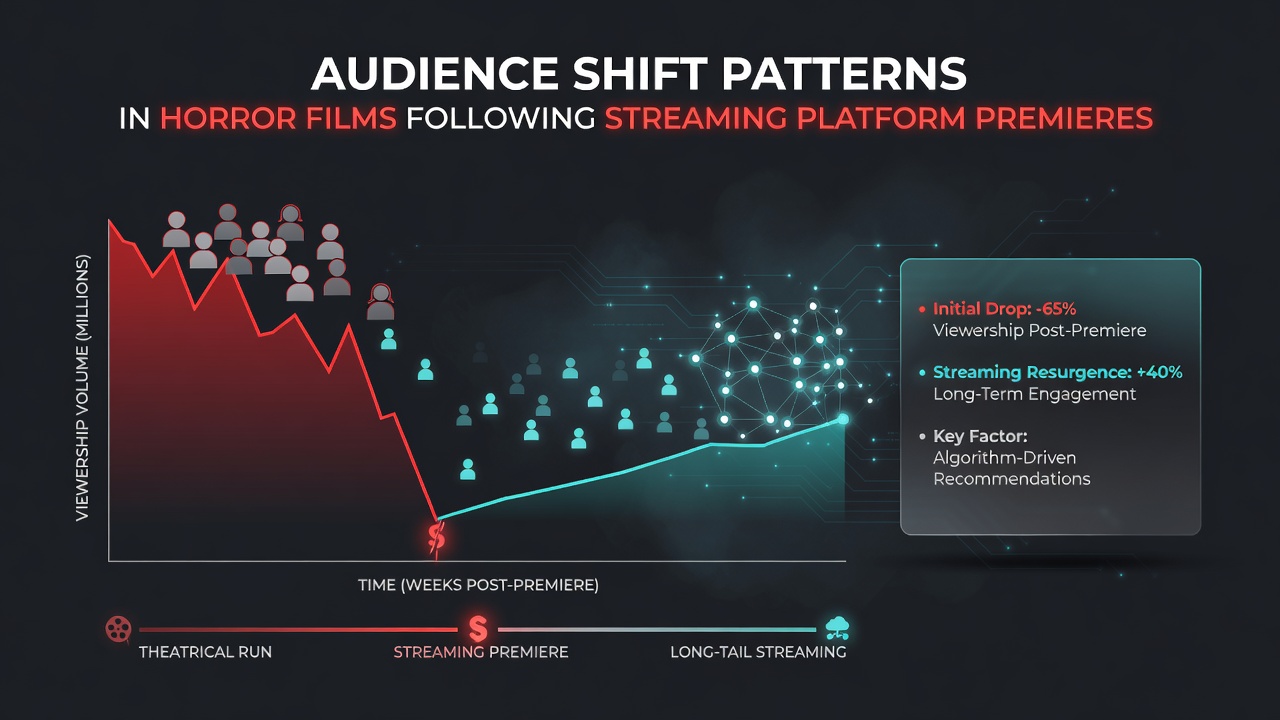
Demographic data further illustrates these transitions. Women between 25 and 44 represent a growing segment for psychological horror subgenres, whereas male viewers aged 18 to 29 dominate slasher and found-footage categories. Research compiled by the Motion Picture Association indicates these splits remain stable across multiple releases, suggesting content type rather than marketing alone guides the observed migration.
Engagement Duration and Repeat Viewership
Completion rates serve as another indicator of audience behavior changes. Titles that premiere exclusively on streaming maintain higher finish percentages than those migrating from theaters, partly because viewers can pause and resume without scheduling constraints. Industry figures reveal average session lengths for horror content extending to 78 minutes on mobile devices during evening hours, while desktop and smart-TV viewing favors weekend blocks exceeding two hours.
Repeat viewings add another layer, with data showing that 35 percent of users who finish a horror premiere return for at least one rewatch within 30 days. This pattern holds across both original productions and licensed library titles, and analysts attribute the consistency to narrative structures that reward multiple passes for hidden details.
Conclusion
Streaming premieres have established distinct audience pathways for horror films, marked by rapid domestic uptake, expanding international reach, and stable demographic preferences tied to subgenre. Continued monitoring through 2026 and beyond will clarify whether these trends intensify or stabilize as platforms refine their release calendars and recommendation systems.